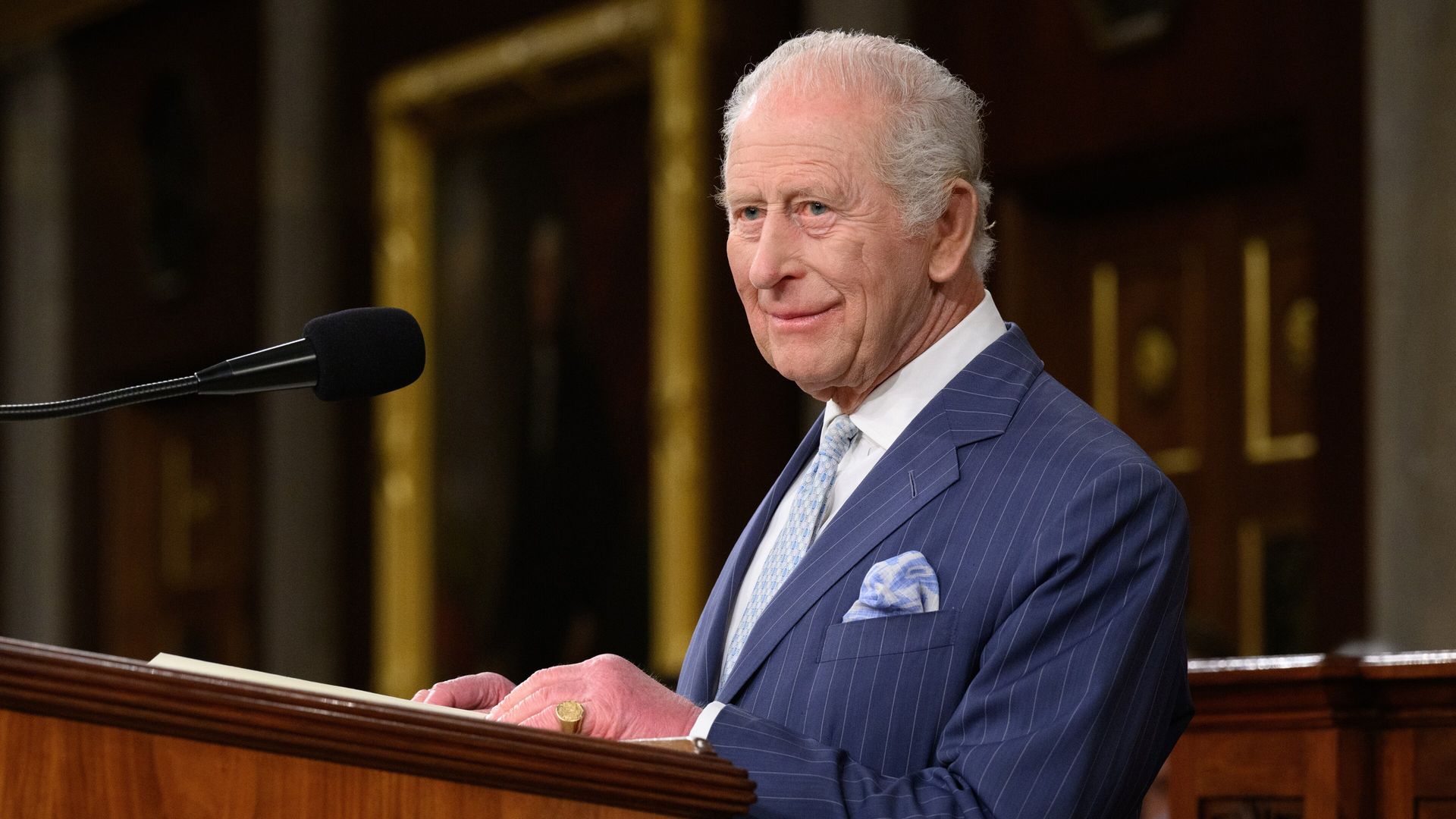
He stayed twenty minutes, asked one question, and left the room to the people building the machines. That was the King Charles AI summit Scotland hosted this week.
The King Charles AI summit Scotland brought Nvidia, Google DeepMind, OpenAI and Anthropic to a country estate in Ayrshire on September 17, 2026. The king warned the guests about the “existential dangers” of the technology and asked for control before it is too late. Then he left them to talk.
What Happened at the King Charles AI Summit Scotland
Charles convened the meeting at Dumfries House, his estate near Cumnock in Scotland. The gathering was organised by the King’s Trust, the King’s Foundation and the Sustainable Markets Initiative, and it focused on how AI can serve people and the natural world.
The king is 77, and he spoke for only a short part of it. According to CNN, he stayed about twenty minutes before leaving so the guests could hold what he hoped would be productive discussions.
Buckingham Palace said the day would also cover a shared set of principles for developing the technology. In other words, this was a conversation, not a negotiation.
The King Charles AI Speech: Existential Dangers and a Plea for Control
The language was unusually direct for a monarch. “There seems urgency in adequately considering the existential dangers of such technologies falling into the wrong hands, and being used in potentially catastrophic ways,” he told the room.
He followed it with a question rather than a demand. “Surely we need sufficient means of control before it is all too late?” Earlier, in excerpts shared with CNBC, he called the pace of AI development “both intriguing and deeply concerning in equal measure.”
Charles also made the moral framing explicit. People who value humanity, he said, are anxiously seeking reassurance that “we will not lose control of our destiny.” Still, he opened with the upside, pointing to medicine and life sciences as places where AI already saves lives.
Who Was in the Room at Dumfries House
The guest list explains why the meeting drew attention. Almost every company at the frontier of AI sent someone senior.
| Guest | Role | Organisation |
|---|---|---|
| Jensen Huang | Founder and chief executive | Nvidia |
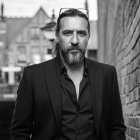
| Demis Hassabis | Founder and chairman | Google DeepMind |
| Sarah Friar | Chief financial officer | OpenAI |
| Tino Cuéllar | Chief global affairs officer | Anthropic |
| Kanishka Narayan | Minister for artificial intelligence | UK government |
| Paolo Benanti | AI adviser to the pope | Vatican |
Buckingham Palace said China would also be represented, without naming anyone. That detail matters, because most Western AI gatherings this year have happened without Beijing in the room.
Jensen Huang: If It Is Not Ready, Just Hold It Back
The most quotable line of the day did not come from the king. Nvidia chief executive Jensen Huang said AI should be built with “responsible optimism,” and he put the duty on the developers rather than on new law.
Speaking to broadcasters on the sidelines, he was blunt about release decisions. “If it’s not ready, just hold it back,” he said. “You should go as fast as you can, but no faster than that.” He told the BBC that companies must become more rigorous in testing and securing their products.
That is a notable position from the company selling the hardware behind the boom. Meanwhile, it echoes what he said days earlier, when he rejected calls for new rules to let rivals coordinate a slowdown.

AI Safety Summit News Today: Why the Timing Matters
This meeting landed in the middle of an argument the industry is having with itself. Anthropic CEO Dario Amodei has urged companies to slow the pace of development, and he asked Washington for legal room to coordinate on it.
That request went badly. As we reported, senators oppose AI antitrust relief for the biggest labs, and the FTC chairman called himself deeply suspicious of the idea.
According to Reuters, the wider debate reignited after two Anthropic researchers warned that rapid advances could put humanity at existential risk. Since then, Pope Leo, President Trump and now the king have all weighed in.
Why a Monarch, and Not a Regulator, Convened This Summit
British royals are constitutionally bound to stay out of politics. As a result, they can shine a light on a problem, but they cannot write the rules that fix it. Charles entered the AI debate as a convener instead of an actor.
The religious framing was part of that. Paolo Benanti, who advises the pope and has pressed governments to slow AI down, was in the room. In an encyclical published in May, Pope Leo XIV said AI must not stay in the hands “of a few,” and the king’s own line that “our humanity must remain sacred” sat in the same register.
What the King Charles AI Summit Scotland Did Not Deliver
No binding commitment came out of Ayrshire. There was no treaty, no pledge with a deadline, and no new regulator. For a technology moving this fast, that gap is the story as much as the warning is.
Kanishka Narayan, the British AI minister, said the talks centred on the responsibility of companies to build AI in people’s interest. He also described the meeting as one in a series of conversations about the role Britain could play.
So the practical outcome is attention, not enforcement. Even so, attention from a head of state changes the temperature of a debate that, until now, has mostly been conducted between labs, lawmakers and their lawyers.
Want More on the King Charles AI Summit?
The warning that set this off came from inside a lab. Read why Jacob Coxon left Anthropic over fears that AI is slipping out of control. For the legislative side of the same fight, see Bernie Sanders’ AI legislation and what it would actually ban.
Frequently Asked Questions
What is the King Charles AI summit in Scotland?
It is a private gathering King Charles convened at Dumfries House on September 17, 2026. Leaders from Nvidia, Google DeepMind, OpenAI and Anthropic joined government and charity figures to discuss principles for developing AI.
Who attended the King Charles AI summit?
Jensen Huang of Nvidia, Demis Hassabis of Google DeepMind, OpenAI finance chief Sarah Friar and Anthropic’s Tino Cuéllar attended. UK AI minister Kanishka Narayan and Vatican adviser Paolo Benanti were also there.
What did King Charles say about AI?
He warned of existential dangers if the technology falls into the wrong hands and asked whether sufficient means of control exist before it is too late. Meanwhile, he praised its promise in medicine and life sciences.
Where is Dumfries House?
Dumfries House sits near Cumnock in East Ayrshire, Scotland, not far from Glasgow. The estate belongs to the king’s charitable work and regularly hosts events run by the King’s Foundation.
Did the summit produce any new AI rules?
No. Nothing binding was agreed, and no regulator was created. The British AI minister described the meeting as one in a series of conversations rather than a one-off event with formal outcomes.
Why are AI leaders being asked to slow down?
Because several researchers and executives argue that capability is outrunning safety testing. Anthropic CEO Dario Amodei has called for a deliberate slowdown, a proposal that split the industry and most lawmakers in Washington.
Sources
Reuters, CNN, CNBC.*Photos: King Charles III addresses joint session of the US Congress by U.S. House Creative Services, public domain, cropped and resized; Demis Hassabis at 2024 Nobel Week by Jennifer 8. Lee, CC BY-SA 4.0, cropped and resized.*