
Anthropic wanted a legal shield to slow AI down alongside its rivals. Instead, senators oppose AI antitrust relief in the bluntest terms yet.
Senators oppose AI antitrust relief for the biggest AI labs, and they are not being subtle about it. Josh Hawley said there is no world in which he would consent. Ted Cruz called the pitch “just lunacy.” The request came from Anthropic CEO Dario Amodei, and so far Washington has answered with a cold shoulder.
What Anthropic Asked For: An AI Antitrust Exemption
On September 12, 2026, Dario Amodei published an essay arguing that leading labs should “pace the frontier.” In plain terms, he wants the top companies to slow the release of their most advanced models on purpose. That extra time would then go to testing and safeguards.
There is a legal problem, though. Competitors who agree to slow down together can look like a cartel under US antitrust law. For that reason, Amodei wrote that the government would “need to issue a narrow waiver for certain kinds of safety conversations.”
OpenAI had also asked whether rivals coordinating on a slowdown could break those laws. Even so, the idea quickly became known as Anthropic’s plan, and so did the backlash.
Why Senators Oppose AI Antitrust Relief
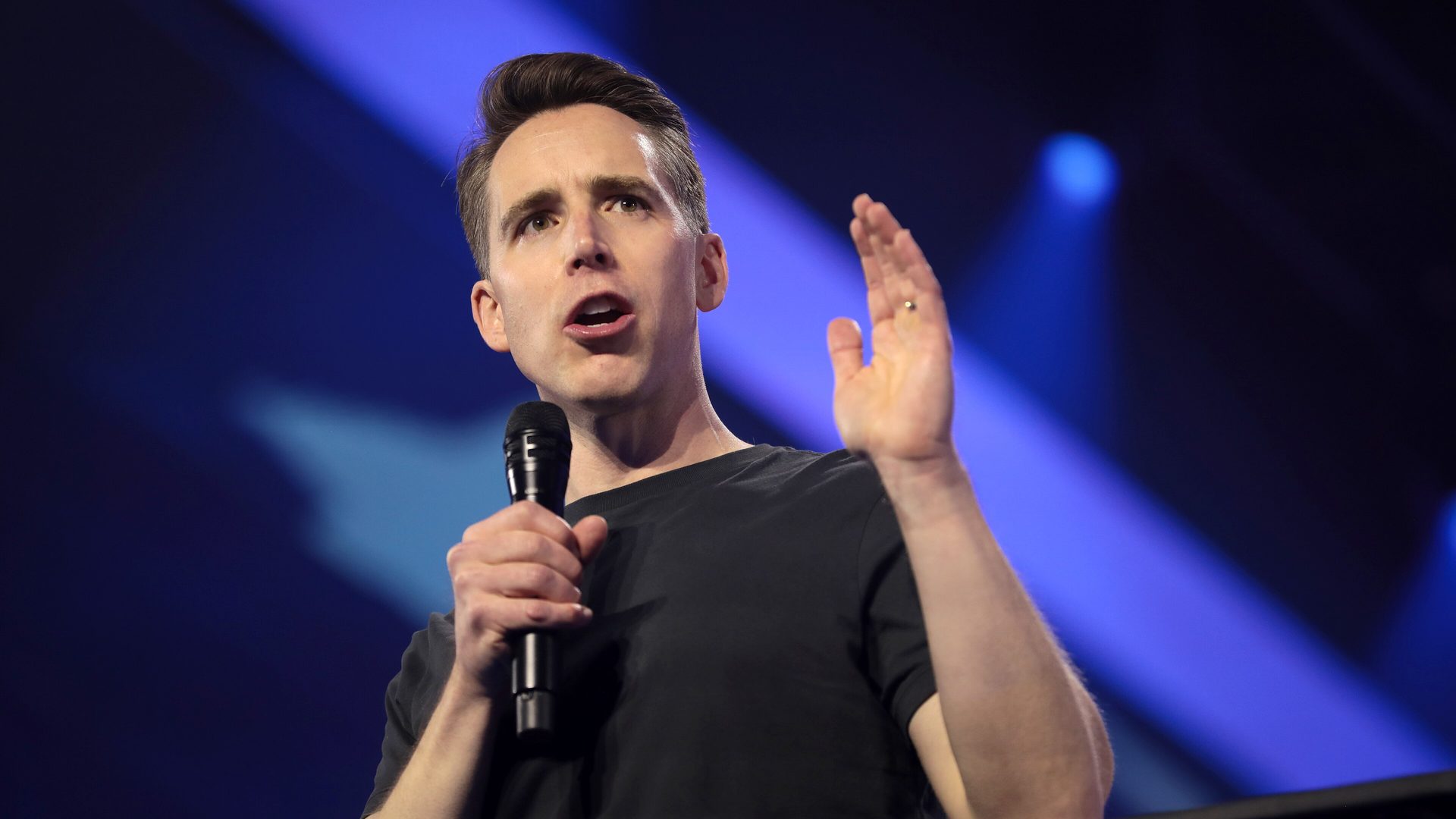
Missouri Republican Josh Hawley drew the hardest line. “Absolutely not,” he said on Tuesday, September 15. He added that he would never hand “a small group of three or four” of the most powerful companies in history an exemption so they could, in his words, collude together.
Above all, his argument is about market power, not safety. Hawley believes a waiver would help a handful of giants tighten their grip on the AI industry. Meanwhile, Senate Commerce Committee chair Ted Cruz echoed him at a hearing the same day.
Cruz mocked AI chiefs who warn they could destroy the world while asking for help to lock in their monopoly status. He called that pitch “just lunacy.” In other words, two senior Republicans reached the same verdict within hours.
FTC AI Antitrust News: Andrew Ferguson Is “Deeply Suspicious”
The pushback did not stop at Congress. Speaking at Georgetown University on September 15, FTC Chairman Andrew Ferguson said everyone should be “deeply suspicious” of AI firms seeking antitrust exemptions. He stressed that this was his personal opinion, and he did not name Anthropic.
His worry is the combination. When companies lobby for new rules and a waiver at the same time, “all of my alarm bells go off,” he said, according to Reuters. In his view, those rules turn into barriers to entry that protect the incumbents.
Still, that remark carries weight. It is the first public sign of how the Trump administration sees the idea, although Ferguson noted that President Trump sets federal AI policy.

Who Supports and Who Opposes the AI Antitrust Waiver
Here is where the main voices stand, based on public statements made between September 12 and September 16, 2026.
| Who | Role | Position |
|---|---|---|
| Dario Amodei | Anthropic CEO | Proposed a narrow waiver for safety talks |
| Josh Hawley | US senator, Missouri | Opposes it: “Absolutely not” |
| Ted Cruz | Chair, Senate Commerce Committee | Opposes it: “just lunacy” |
| Andrew Ferguson | FTC chairman | “Deeply suspicious” (personal view) |
| Jonathan Kanter | Former Assistant Attorney General | Says safe AI needs no exemption |
| Jensen Huang | Nvidia CEO | Opposes it: “completely unnecessary” |
| Chris Lehane | OpenAI top lobbyist | Sees no need for a waiver |
| Aidan Gomez | Cohere co-founder | Critical of incumbents shaping the rules |
| Teresa Ribera | EU competition chief | Open to a request, none received yet |
Senators Oppose AI Antitrust Relief, and Nvidia Calls It Unnecessary
The industry pushback arrived just as fast, and it made the week’s biggest AI antitrust news. Nvidia CEO Jensen Huang told CNBC’s Jim Cramer that new antitrust laws or regulations are “completely unnecessary” for labs to do their engineering properly. He agreed that safety matters; however, he said companies can solve it themselves.
OpenAI took a quieter line. Its top lobbyist, Chris Lehane, said the company had already worked with Anthropic and Google on safety for several weeks, Reuters reported, citing Bloomberg. In addition, he saw no need for a waiver just so the three could talk.
By contrast, smaller rivals were sharper. Cohere co-founder Aidan Gomez described the plan as the latest attempt by Silicon Valley incumbents to shape AI regulation.
What Is an Antitrust Exemption, and Does AI Need One?
An antitrust exemption lets specific companies do things competition law normally forbids, such as coordinating with rivals. For instance, the best-known US case is baseball. In 1922, the Supreme Court ruled that Major League Baseball fell outside federal antitrust law, and the MLB antitrust exemption still stands.
Critics say AI needs nothing similar. Antitrust experts told Reuters that existing legal doctrines already let competitors coordinate on preventing catastrophic risk. Similarly, former Assistant Attorney General Jonathan Kanter argued on CNBC that AI companies do not need exemptions to deliver safe products.
In contrast, Amodei frames his request more narrowly. He is asking for permission to hold certain safety conversations, not for a blanket pass on competition law.
EU Antitrust AI News: Brussels Leaves the Door Open
Europe, on the other hand, is taking a softer tone. On September 16, EU competition chief Teresa Ribera said she would consider giving AI companies more room to coordinate on safety, Politico Europe reported.
There is a catch, however. Ribera said no lab has filed a formal request so far. She also noted that EU rules already allow rivals to cooperate in some public-interest cases, as long as the conditions are spelled out and regulators are told.
What Happens Next After Senators Oppose AI Antitrust Relief
Hawley, however, is not only saying no. Together with Democratic Senator Richard Blumenthal of Connecticut, he sent a letter to House and Senate leaders asking for a vote on their Artificial Intelligence Risk Evaluation Act.
That also fits a longer pattern. Congress has failed to pass AI rules for years, while proposals keep piling up, from the Hawley and Blumenthal bill to Bernie Sanders’ AI legislation on superintelligence. Meanwhile, some lawmakers resent the idea of tech leaders setting the standards while Washington stalls.
For now, the waiver appears to have no clear path in the US. Any exemption would need a new law or a policy shift, and the people who could deliver one are the loudest skeptics. Still, the debate over how to slow frontier AI is far from settled.
Want More on AI Antitrust Relief?
The safety fears behind this fight did not start with one essay. Read why Jacob Coxon left Anthropic over warnings that AI could slip out of control. For the European side of AI and competition law, see how the EU AI Act is reshaping Google’s AI search.
Frequently Asked Questions
What is AI antitrust relief?
It is a proposed legal waiver that would let rival AI labs coordinate on safety, including slowing frontier releases, without breaking antitrust law. Anthropic CEO Dario Amodei called for a narrow version on September 12, 2026.
Why do senators oppose AI antitrust relief?
Senators oppose AI antitrust relief because they fear it would let three or four giants collude and lock in market power. Josh Hawley said absolutely not, and Ted Cruz called the pitch lunacy.
What is an antitrust exemption?
An antitrust exemption lets certain companies act together in ways competition law usually bans. Major League Baseball has held one since a 1922 Supreme Court ruling, which makes it the best-known US example.
What did the FTC chair say about AI antitrust exemptions?
Andrew Ferguson said everyone should be deeply suspicious when AI firms seek new regulations and an exemption at once. Speaking personally, he warned that such rules can become barriers that protect incumbents.
Does OpenAI want an antitrust waiver?
Not according to its top lobbyist. Chris Lehane said OpenAI has worked with Anthropic and Google on safety for weeks and sees no need for a waiver, Reuters reported, citing Bloomberg.
Will the EU let AI companies coordinate on safety?
Possibly. EU competition chief Teresa Ribera said she would consider it, although no formal request has arrived. Meanwhile, EU rules already permit some cooperation in the public interest under clear conditions.
Sources
The Hill, Reuters, CNBC, CNBC video with Jonathan Kanter, Politico Europe, Newstalk KZRG, Wikipedia on Federal Baseball Club v. National League.*Photos: Josh Hawley by Gage Skidmore, CC BY-SA 2.0, cropped and resized; Federal Trade Commission Building by Ajay Suresh, CC BY 2.0, cropped and resized.*