
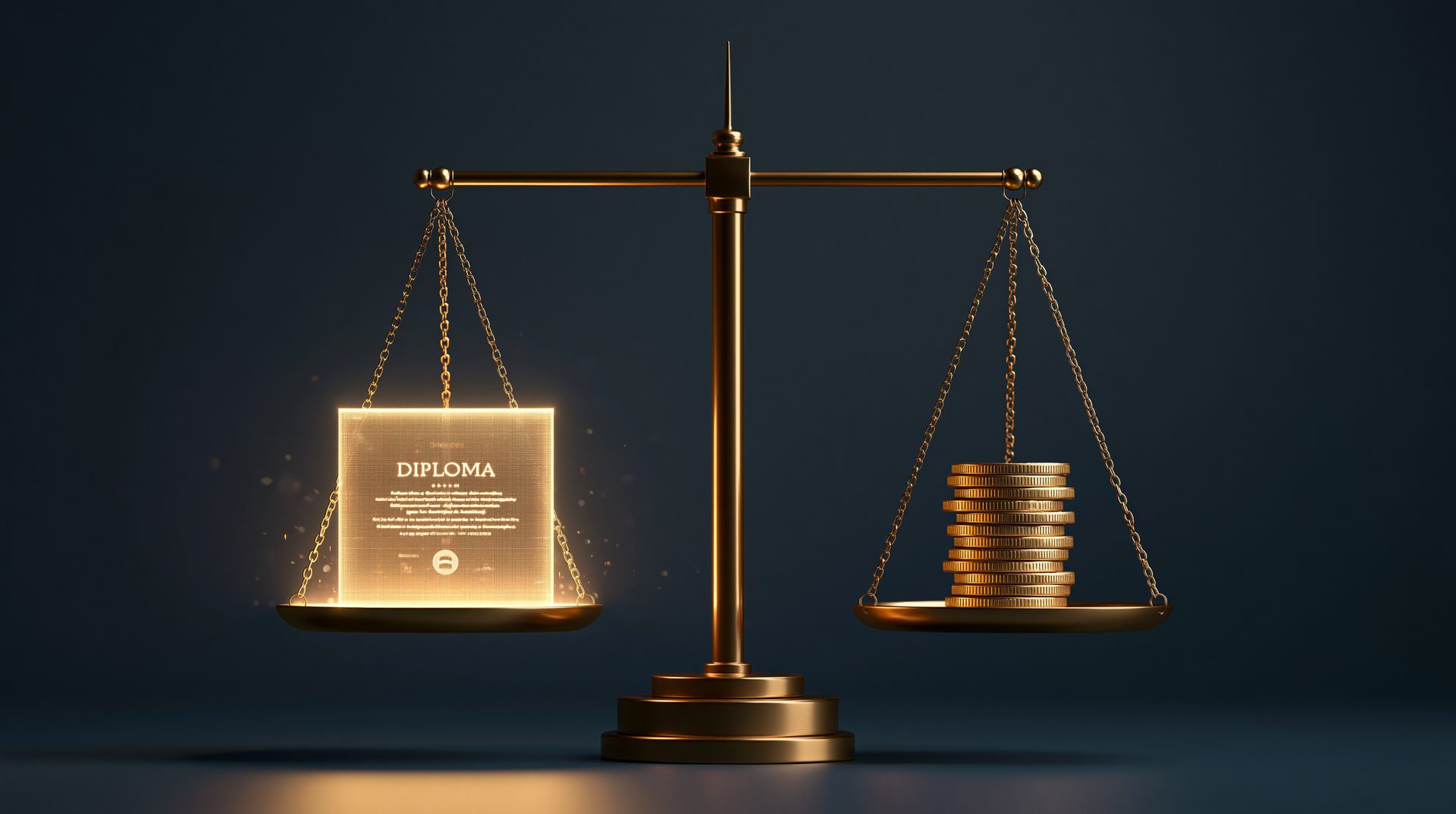
Learn from Harvard and MIT for free — but is edX worth it once you pay for the certificate?
Is edX worth it? Ultimately, that depends on what you want: free knowledge, or a paid certificate that means something. With edX, you can audit university courses from Harvard, MIT and 260+ institutions at no cost, and then pay only if you want a verified certificate. In this review, therefore, we weigh edX’s real pricing, whether its certificates are worth it, whether edX is legit, and how it compares with Coursera — with an eye on learning AI.
What Is edX?
edX is an online learning platform launched in 2012 by MIT and Harvard as a non-profit. Today it hosts university-level courses, Professional Certificates, MicroMasters programs and full online degrees from more than 260 institutions, including Berkeley, IBM and Microsoft.
One detail shapes everything: you can audit most courses for free, while a verified certificate costs money. So edX works as both a free library and a paid credential store, depending on how you use it. In 2021, moreover, the for-profit company 2U acquired the platform for around $800 million. As a result, Harvard and MIT still publish courses but no longer own edX.
Who Is edX For?
In practice, edX suits self-directed learners who want rigorous, university-grade material rather than quick, casual tutorials. Specifically, it fits career-changers chasing a recognised credential, students sampling a subject before a degree, and professionals who need a structured path into a field like data science or AI.
However, it is a weaker fit if you want hand-holding, fast bite-sized lessons, or a cheap lifetime course library — that is more Udemy’s territory. So is edX worth it for you? Largely, that depends on which of those groups you fall into.
How Does edX Work?
In short, edX runs on a simple split: the content is open, the credential is paid. Here is what that looks like in practice.
Audit for free, pay for the certificate
For instance, most courses offer a free audit track that unlocks the lectures and readings, usually for a limited time. If you want graded assignments, unlimited access and a shareable certificate, you upgrade to the verified track. This is the heart of the “is edX free” question: the learning can be, the proof is not.
From single courses to MicroMasters and degrees
Beyond standalone courses, edX bundles content into Professional Certificates, MicroMasters and MicroBachelors, and even accredited online Master’s degrees. A MicroMasters can sometimes count as credit toward a full degree at the issuing university — one of edX’s genuinely distinctive features.
A strong catalogue for learning AI
In addition, for AI specifically, edX runs deep: HarvardX’s CS50 line plus IBM and university programs cover machine learning, Python, data science and generative AI. If you want to learn AI from a named institution rather than an anonymous instructor, edX is one of the best places to do it.

Self-paced, university-grade material
Meanwhile, courses are mostly self-paced, with video lectures, quizzes and graded projects. The material is rigorous — closer to a real university module than a weekend crash course. That is a strength if you are motivated and a hurdle if you are not.
How Good Is edX in Practice?
So, Is edX Worth It in Practice?
In practice, the teaching quality is high. You learn from the same institutions that run on-campus programs, and the assessments feel real. For motivated learners, therefore, that rigor is the whole point.
However, the friction sits elsewhere. Over the years, edX has trimmed free audit access, certificate prices have crept up, and support stays light. As a result, you are largely on your own.
Since 2U took over and the company went through a Chapter 11 restructuring, the platform now leans harder on paid credentials than on its original open-access mission. So is edX worth it here? For the learning, clearly yes; for the hand-holding, less so.
edX Pricing — Is edX Free?
So, is edX free? Partly. You can audit many courses for nothing, but every paid tier buys a certificate or a program. Here is the rough landscape, which varies by institution
| Plan | Price |
|---|---|
| Audit a course (no certificate) | Free |
| Verified course certificate | $50–$300 |
| Professional Certificate (multi-course) | $200–$1,000+ |
| MicroMasters / MicroBachelors | $600–$1,500 |
| Accredited online degree | $10,000–$25,000+ |
Ultimately, edX is cheap to learn on but pricier to certify on. Whether a certificate is worth it is the real question — and it hinges entirely on which institution issues it.
edX vs Coursera for Learning AI
edX and Coursera are the two heavyweights of university-backed online learning, and the choice is close. Coursera leans on a subscription (Coursera Plus) and a slightly more polished, beginner-friendly feel. edX is more à la carte: you pay per course or per program, and its MicroMasters-to-degree pathways stand out.
Meanwhile, for AI, both are strong. Coursera has Andrew Ng’s famous courses, whereas edX has Harvard, MIT and IBM. If you value institutional prestige and credit-bearing pathways, edX edges ahead. On the other hand, if you want one subscription covering everything, Coursera is the smoother ride.

Is edX Legit? What to Expect
Yes — edX is entirely legit. Harvard and MIT built it, it partners with accredited universities, and those real institutions issue its certificates rather than edX inventing its own credential. The verified track even confirms your identity.
Still, the honest caveat is value, not legitimacy. A certificate from a top-tier institution carries weight, whereas a generic one from a lesser-known partner carries less. Either way, the credential opens a door — but what you can actually do still closes the deal.
edX Alternatives for Learning AI
vs. Coursera
By contrast, Coursera is the closest rival: university courses, guided projects and a flat Coursera Plus subscription. Better if you want one fee and a gentler on-ramp.
vs. Udemy
A huge, cheap marketplace of practical courses from independent instructors — less prestige, far lower prices. See our Udemy AI courses review for that route.
vs. Udacity
Project-heavy “Nanodegrees” aimed at tech and AI careers, with mentor support — pricier, but more job-oriented.
Where It Excels (and Where It Falls Short)
Pros
- University-grade content from Harvard, MIT, Berkeley and 260+ institutions
- Free audit track lets you learn without paying
- Real, accredited institutions issue the verified certificates
- MicroMasters can count toward a full degree
- Deep catalogue for AI, data science and computer science
- Flexible, self-paced schedule
Cons
- Certificates cost $50–$300+, and prices keep rising
- edX has trimmed free audit access since the 2U takeover
- Certificate value swings widely by issuing institution
- Self-paced format demands real discipline
- Light support and little hand-holding
- A certificate is not an accredited degree to every employer
Final Verdict: Is edX Worth It?
So, is edX worth it? For learning, almost always — auditing Harvard- and MIT-grade courses for free is a genuinely great deal. For certificates, however, it is conditional: a top-institution credential or a MicroMasters can be well worth the cost, whereas a generic certificate is harder to justify. Therefore, buy the credential for the name and the structured path, not for the certificate alone. Ultimately, as a place to learn AI from serious institutions, edX earns its spot.
Want More? Is edX Worth It for You?
Still deciding where to start? Browse our roundup of the best AI courses on edX, or compare our picks of the best AI courses for beginners and the best AI courses on Udemy for a cheaper, more practical route.
Frequently Asked Questions
Is edX worth it?
edX is worth it for learning: you can audit university-grade courses from Harvard, MIT and others for free. Paid certificates are worth it mainly when they come from a top institution or form a MicroMasters — a generic certificate is harder to justify on cost alone.
Is edX legit?
Yes. edX was founded by Harvard and MIT, partners with accredited universities, and its certificates are issued by those real institutions. The verified track even confirms your identity.
Is edX free?
Partly. Many courses can be audited for free, which unlocks the core lectures and readings. Graded assignments, full access and a shareable certificate require a paid verified track.
Are edX certificates worth it?
It depends on the issuer. A certificate or MicroMasters from MIT or Harvard carries real weight; one from a lesser-known partner carries less. The credential helps open doors, but your demonstrable skills still decide the outcome.
What is edX?
edX is an online learning platform founded by MIT and Harvard in 2012, now owned by 2U. It offers courses, Professional Certificates, MicroMasters programs and online degrees from 260+ institutions.
edX vs Coursera — which is better for AI?
Both are excellent. Coursera offers a flat Coursera Plus subscription and Andrew Ng’s famous AI courses; edX offers Harvard, MIT and IBM content with credit-bearing pathways. Pick edX for institutional prestige, Coursera for one all-in subscription.
Who owns edX?
edX was acquired by the for-profit education company 2U in 2021 for about $800 million. Harvard and MIT still publish courses but no longer own or operate the platform.