
Disclosure: this article contains affiliate links. If you buy through them, we may earn a commission at no extra cost to you. It never decides our picks. Affiliate Disclosure · How we use AI
Cloud bills add up fast. The right best GPU for AI pick lets you run LLMs and image models on your own desk, forever.
Hunting for the best GPU for AI work in 2026 comes down to one number first: VRAM. Local LLMs, Stable Diffusion and fine-tuning all live or die by how much model fits in memory, then bandwidth decides how fast the tokens flow.
However, the market is messy. A DRAM shortage keeps street prices above MSRP, last-generation cards are suddenly value heroes, and AMD and Intel finally have credible AI options.
So here are the six cards actually worth buying for local AI right now, from a $249 starter to the 32GB monster, with honest trade-offs for each.
GPU Prices in Late 2026: MSRP vs What You Actually Pay
The prices in the sections below are official launch prices. However, the shortage got worse through 2026, and street prices moved far away from them. Here is what price trackers and retailers reported.
| Card | VRAM | Launch price | Reported street price in 2026 |
|---|---|---|---|
| RTX 5090 | 32GB | $1,999 | about $4,000 to $5,000 (August and September) |
| AMD Radeon AI PRO R9700 | 32GB | $1,299 | about $1,320 to $1,500 |
| RTX 5070 Ti | 16GB | $749 | about $900 (June sale price) |
| RTX 5060 Ti 16GB | 16GB | $429 | up to about $780 |
| Intel Arc B580 | 12GB | $249 | about $580 to $650 |
| RTX 3090 (used) | 24GB | n/a | rising, check sold listings |
These figures change weekly, so treat them as a guide and check the live listing. Still, they shift the advice. For example, a new 32GB R9700 now costs about a third of an RTX 5090, and the budget cards have lost much of their price advantage.
Quick Picks: The Best GPU for AI by Job
- Best overall, if money is no object: RTX 5090
- Most new VRAM for the money: AMD Radeon AI PRO R9700, 32GB for about $1,350
- Local LLMs on a budget: a used RTX 3090, if you find one well below the R9700
- AI image generation and gaming in one card: RTX 5070 Ti
- AI video generation and training at home: RTX 5090, because both need 32GB and CUDA
- Cheapest way to start: RTX 5060 Ti 16GB or Intel Arc B580, whichever is cheaper that week
NVIDIA GeForce RTX 5090: The Best GPU for AI, Full Stop
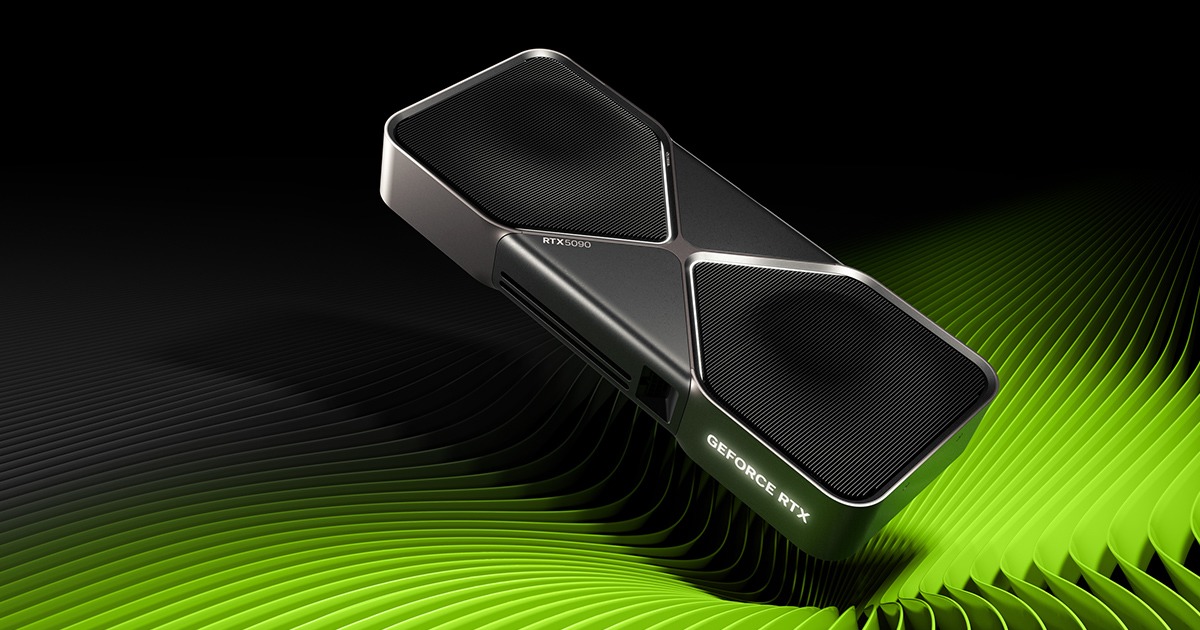
The RTX 5090 is the local-AI ceiling for consumer hardware: 32GB of GDDR7 on a 512-bit bus pushing 1,792 GB/s. Token generation scales almost linearly with bandwidth, and nothing else on a desk comes close.
Key Features
- 32GB GDDR7, runs 70B-class models quantized, long contexts
- 1,792 GB/s bandwidth (78% more than RTX 4090)
- 21,760 CUDA cores; full CUDA ecosystem support
- Fastest consumer card for Stable Diffusion and video models
- 575W power draw, plan PSU and cooling accordingly
- $1,999 MSRP; street prices above MSRP amid DRAM shortage
Who is it for?
Serious local-AI builders: anyone running large quantized LLMs daily, fine-tuning, or generating AI video. If the budget reaches, this is the endgame card. Read our full RTX 5090 for AI review for the deep dive.
NVIDIA GeForce RTX 3090 (Used): Best GPU for Local AI on a Budget
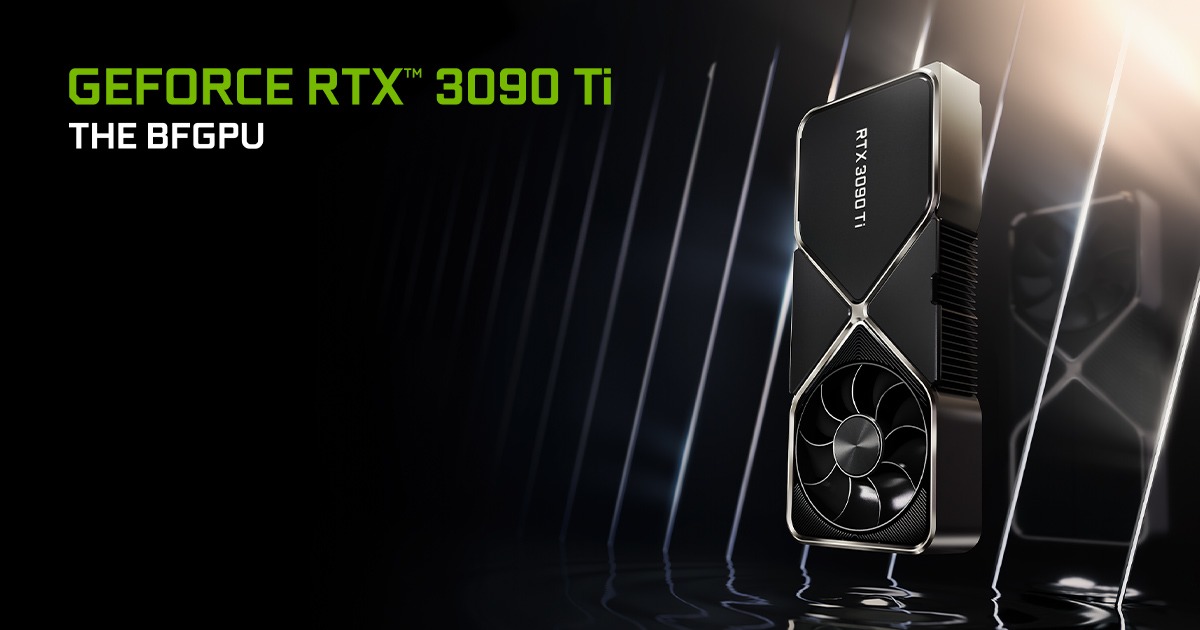
Five years on, the used RTX 3090 is still the value king of local AI, XDA calls it “not even close” on price-per-VRAM. Twenty-four gigabytes for roughly $700, $820 used remains unmatched.
Key Features
- 24GB GDDR6X, the cheapest path to big-model VRAM
- Runs 7B, 32B LLMs with strong throughput
- Full fine-tuning of Llama-3-8B or SDXL without CPU offloading
- Mature CUDA support, everything just works
- Used prices around $700, $820 on eBay
- Buy from rated sellers; expect no warranty
Who is it for?
Local-LLM hobbyists who want maximum VRAM per dollar. The community default for a reason, two of them even make a budget 48GB rig. Read our full used RTX 3090 review for the deep dive.
NVIDIA GeForce RTX 5070 Ti: Best GPU for AI Image Generation
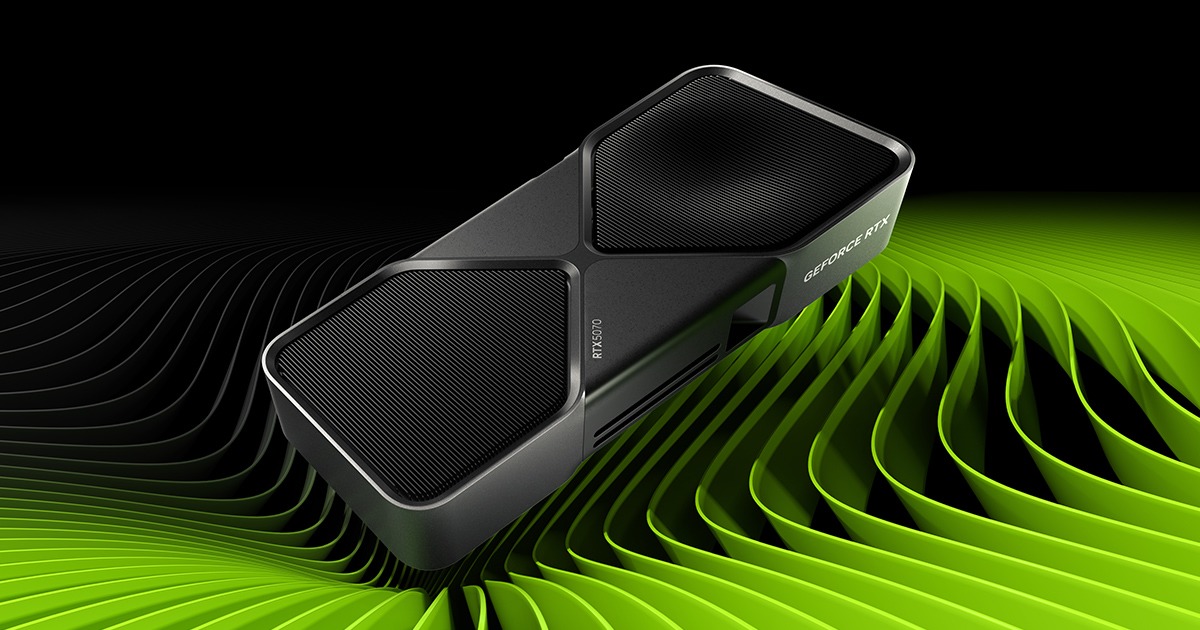
The RTX 5070 Ti hits the sweet spot for Stable Diffusion and SDXL: 16GB of GDDR7 at 896 GB/s, a 78% bandwidth jump over its predecessor, without flagship pricing or power bills.
Key Features
- 16GB GDDR7, 896 GB/s bandwidth
- Comfortably runs SDXL, Flux and 7B, 14B LLMs
- 300W TGP, fits ordinary PSUs and cases
- Launched at $749 (street prices vary with supply)
- Blackwell architecture with latest DLSS and AI features
Who is it for?
AI artists and creators: image generation first, chat models second. The best balance of speed, VRAM and sanity in the 50-series lineup. Read our full RTX 5070 Ti review for the deep dive.
NVIDIA GeForce RTX 5060 Ti 16GB: Best Budget GPU for AI
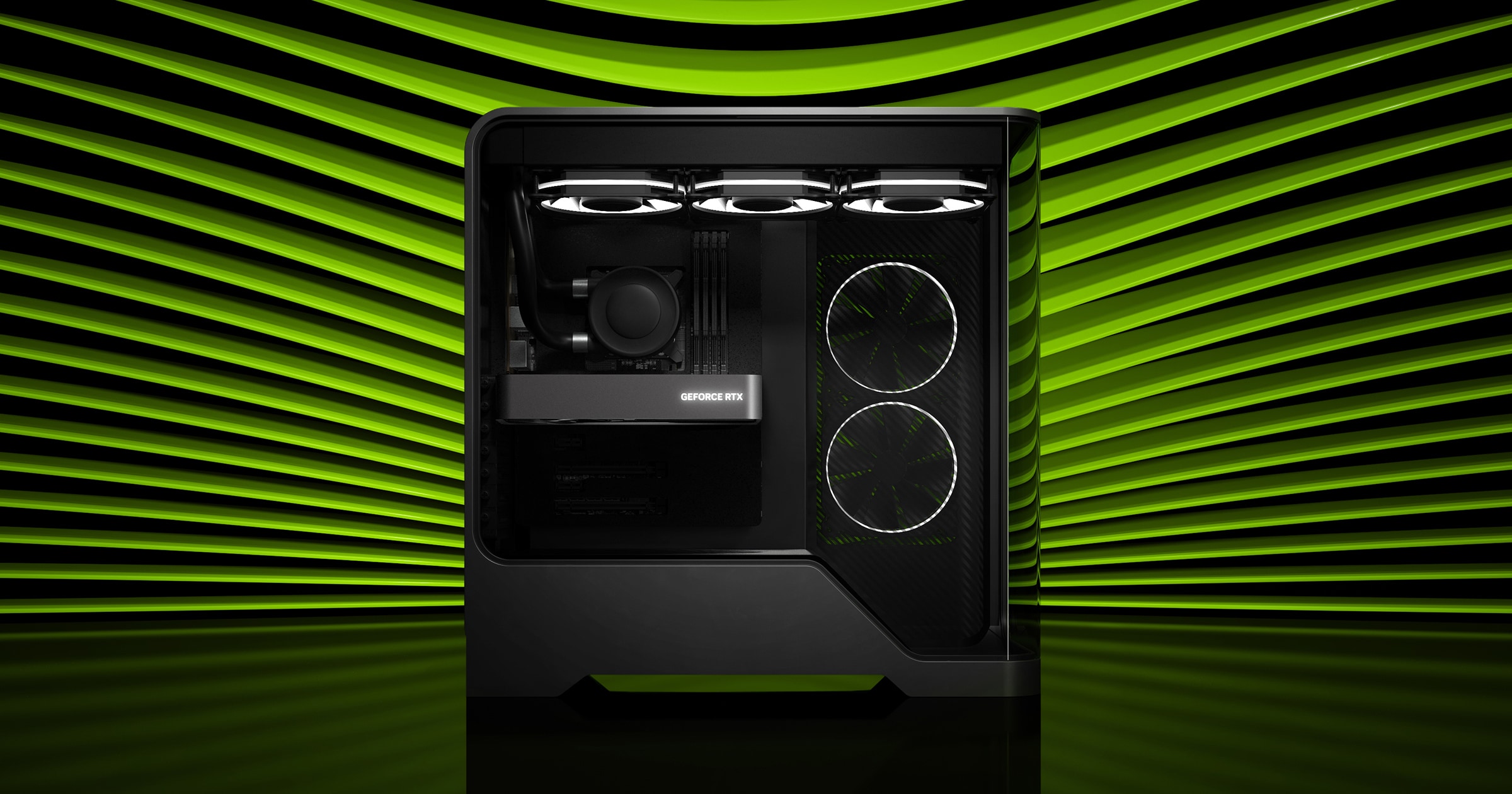
The RTX 5060 Ti 16GB is the budget pick with a twist: it carries the same 16GB of VRAM as cards twice its price. For memory-hungry AI work on a budget, that changes everything.
Key Features
- 16GB VRAM at a $429 MSRP (street ~$470+)
- Runs SDXL and quantized 7B, 13B LLMs comfortably
- Sips power at just 180W
- Full CUDA support, Ollama, llama.cpp, ComfyUI all work
- Skip the 8GB variant, VRAM is the whole point
Who is it for?
First-time local-AI builders who want CUDA and real VRAM at entry pricing, the smart default if the 3090’s used-market roulette puts you off. Read our full RTX 5060 Ti review for the deep dive.
AMD Radeon AI PRO R9700: The 32GB AMD Alternative
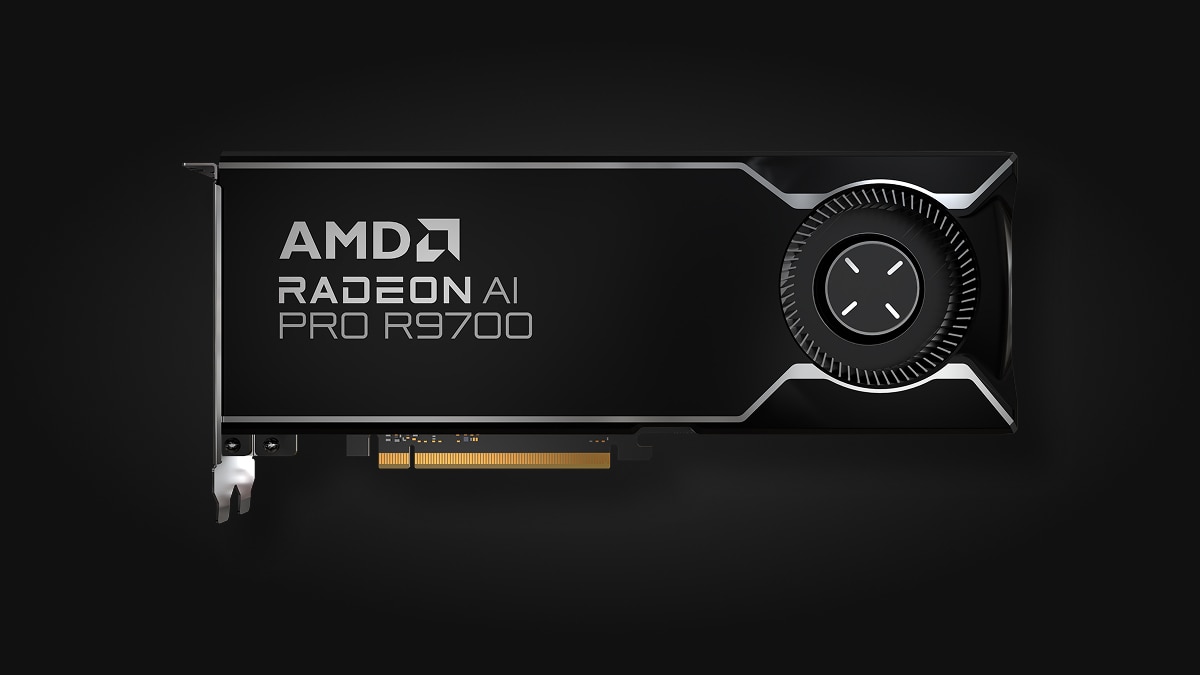
The Radeon AI PRO R9700 is AMD’s loudest statement yet: 32GB of VRAM for $1,299 official, RTX 5090 memory capacity at two-thirds the price, built on RDNA 4 with dedicated AI accelerators.
Key Features
- 32GB GDDR6, flagship-class memory for $1,299
- RDNA 4: 64 CUs, 128 AI accelerators, up to 1,531 TOPS INT4
- 300W TDP, far tamer than the 5090’s 575W
- ROCm support for PyTorch, llama.cpp and Ollama
- Caveat: the CUDA ecosystem still leads in tooling polish
- Street prices can run above the official $1,299
Who is it for?
Developers comfortable outside CUDA who want maximum VRAM per dollar new, especially for large-model inference where memory beats raw speed. Read our full AMD R9700 review for the deep dive.
Intel Arc B580: The Cheapest Way Into Local AI
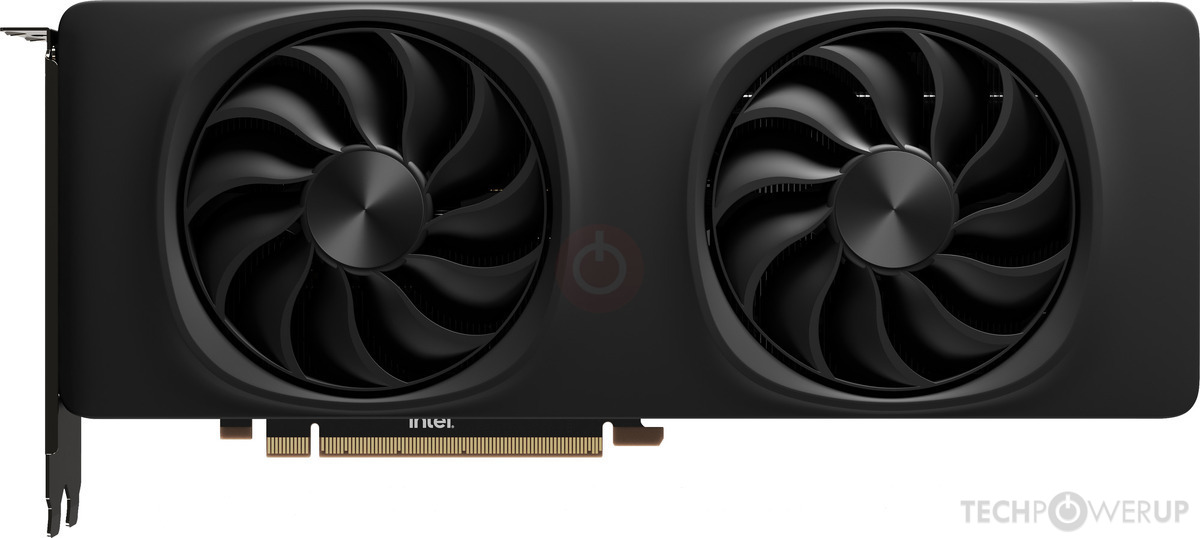
At $249 with 12GB of VRAM, the Intel Arc B580 is the cheapest credible local-AI card. It pushes a real-time 28 tokens per second on Llama 3 8B, about 74% of an RTX 4060 Ti’s speed at 62% of the price. Need far more memory? The 32GB Intel Arc Pro B70 AI card is Intel’s pro-tier step up.
[screenshot placeholder, add the product website screenshot, link it to the buy URL]
Key Features
- 12GB GDDR6 for just $249 MSRP
- ~28 tok/s on Llama 3 8B, comfortably real-time chat
- Handles Stable Diffusion and quantized small models
- Great value per token for the money
- Caveats: needs Resizable BAR, standard Ollama setup is fiddly, Linux runs ~2x faster than Windows
Who is it for?
Tinkerers on the tightest budget who don’t mind a software adventure. If you want it to just work, pay more for the RTX 5060 Ti. Read our full Intel Arc B580 review for the deep dive.
Still Not Sure Which Is the Best GPU for AI for You?
One rule simplifies everything: buy VRAM first, speed second. A model that does not fit in memory runs terribly no matter how fast the chip is. That is why a used 24GB RTX 3090 keeps beating newer 16GB cards for local LLMs, and why the R9700’s 32GB at $1,299 turns heads.
Meanwhile, CUDA remains the path of least resistance. AMD and Intel are credible now, but expect occasional tinkering. The table sums up the trade-offs.
 RTX 5090
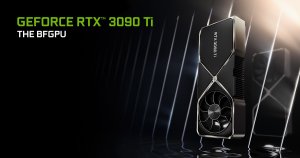 RTX 3090 (used)
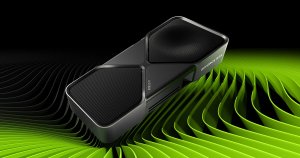 RTX 5070 Ti
 RTX 5060 Ti 16GB
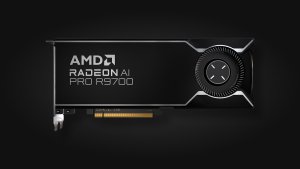 AMD AI PRO R9700
Frequently Asked Questions
What is the best GPU for AI right now?
The RTX 5090 (32GB) is the best consumer GPU for AI overall. For value, a used RTX 3090 (24GB) remains the local-LLM community favorite, while the RTX 5060 Ti 16GB is the best budget pick with proper CUDA support.
Why does AI need a GPU instead of a CPU?
AI models multiply enormous matrices, and GPUs have thousands of small cores built exactly for that parallel math. A CPU’s few large cores process the same work dozens of times slower, which is why even a budget GPU transforms local AI performance.
How much VRAM do I need for local AI?
As a rule of thumb: 12GB runs quantized 7B, 8B models, 16GB handles 13B models and SDXL comfortably, 24GB opens 32B-class models and fine-tuning, and 32GB lets you push 70B-class quantized models with long contexts. Buy as much VRAM as the budget allows.
Is a used RTX 3090 still good for AI in 2026?
Yes. It is widely considered the best value for local AI. Its 24GB of VRAM runs 7B, 32B LLMs and full SDXL fine-tuning, and used prices around $700, $820 undercut every new card with comparable memory.
Are AMD GPUs good for AI?
They have become genuinely viable. The Radeon AI PRO R9700 offers 32GB for $1,299 with ROCm support for PyTorch and llama.cpp. The trade-off is ecosystem polish, CUDA still has smoother tooling, so expect occasional extra setup.
What is the cheapest GPU for AI tasks?
The Intel Arc B580, a $249 card at launch with 12GB VRAM, is the cheapest credible option, delivering ~28 tokens/second on Llama 3 8B. Just budget time for setup quirks, or spend up to the RTX 5060 Ti 16GB for a smoother CUDA experience.
Does GPU bandwidth matter for LLMs?
Hugely. Token generation speed scales almost linearly with memory bandwidth, which is why the RTX 5090’s 1,792 GB/s feels so fast. After VRAM capacity, bandwidth is the second number to compare.
How much do AI GPUs cost in late 2026?
Far more than their launch prices. Trackers reported the RTX 5090 at about $4,000 to $5,000, the Radeon AI PRO R9700 at about $1,320 to $1,500, the RTX 5070 Ti near $900, the RTX 5060 Ti 16GB up to $780 and the Intel Arc B580 around $600.
What is the best GPU for AI video generation?
The RTX 5090. Video models need both a lot of VRAM and CUDA, and its 32GB runs models that 16GB cards cannot load. However, a 16GB RTX 5070 Ti handles shorter clips with quantized models.
What is the best GPU for AI and gaming?
The RTX 5070 Ti. It is fast in games, has 16GB for image generation and mid-size language models, and costs far less than an RTX 5090.
What is the best GPU for AI training at home?
For fine-tuning and small training runs, the RTX 5090 is the practical choice because of its 32GB and full CUDA support. Meanwhile two used RTX 3090 cards remain a popular cheaper route to 48GB.
Is 16GB of VRAM enough for AI?
For image generation and language models up to roughly 14B parameters, yes. However, 30B class models and video generation need 24GB or more.
Is a new R9700 better than a used RTX 3090?
It depends on the price gap. The R9700 has 32GB and a warranty, while the RTX 3090 has 24GB and the easier CUDA software. Therefore, if a used 3090 costs close to $1,300, buy the new R9700.
Want More Than Just the Best GPU for AI?
Local AI is one corner of the hardware boom. See how AI landed in the living room in our roundup of the best AI smart TVs, or dive into our hands-on AI hardware reviews for full verdicts device by device.
And if you would rather buy a whole machine than just a card, see the best desktop for AI.