Over 100 million people have signed up, and the Trustpilot page reads like a billing dispute: that contradiction is where this Kling AI review starts.

Kling is the AI video generator that the rest of the field benchmarks against. Its clips move like filmed footage, and its owner now books more than 850 million yuan a quarter from it. This Kling AI review asks the plain question behind those numbers: what do your credits actually buy?
The answer is more complicated than the demo reel. The output is excellent, yet the pricing page leads with a first month discount, and the renewal price is the one you keep paying.
What Is Kling AI?
Kling AI is a video generator. You write a prompt, upload a photo or supply a reference clip, and it returns a short cinematic video, now with sound. It runs in a browser and as a mobile app, and developers reach the same models through an API.
Kuaishou, the Hong Kong listed company behind the Kwai short video app, launched the first version in June 2024. Consequently Kling was built by a team that already processed video at enormous scale before any of its rivals shipped a model.
Growth has been steep since then. Kuaishou reported more than 650 million yuan of Kling revenue in the first quarter of 2026, up over 300 percent, according to the South China Morning Post. The second quarter passed 850 million yuan.
Searches for it come in several spellings. People type Kling AI, KlingAI in one word, Kling IA in Spanish and Portuguese, or simply Kling 3.0. All of them land on the same product.
Who Is Kling AI For?
This tool suits people who need a clip to look filmed. Marketers, music video makers, filmmakers testing a shot and agencies producing ads get the most from it, because realism is the thing it does best.
It suits casual users less well. The free tier is slow and watermarked, and a meme or a quick template clip does not need Kling level physics.
So the answer from this Kling AI review is simple. Choose it when the shot has to convince a viewer, and choose something cheaper when it only has to entertain one.
How Does Kling AI Work?
The Explore dashboard above shows the scope. Video generation sits beside image generation, Motion Control, a canvas agent and avatars, while the 3.0 model family powers most of it. The sections below follow that order.
Kling AI 3.0 and Omni: The Models This Kling AI Review Tested First
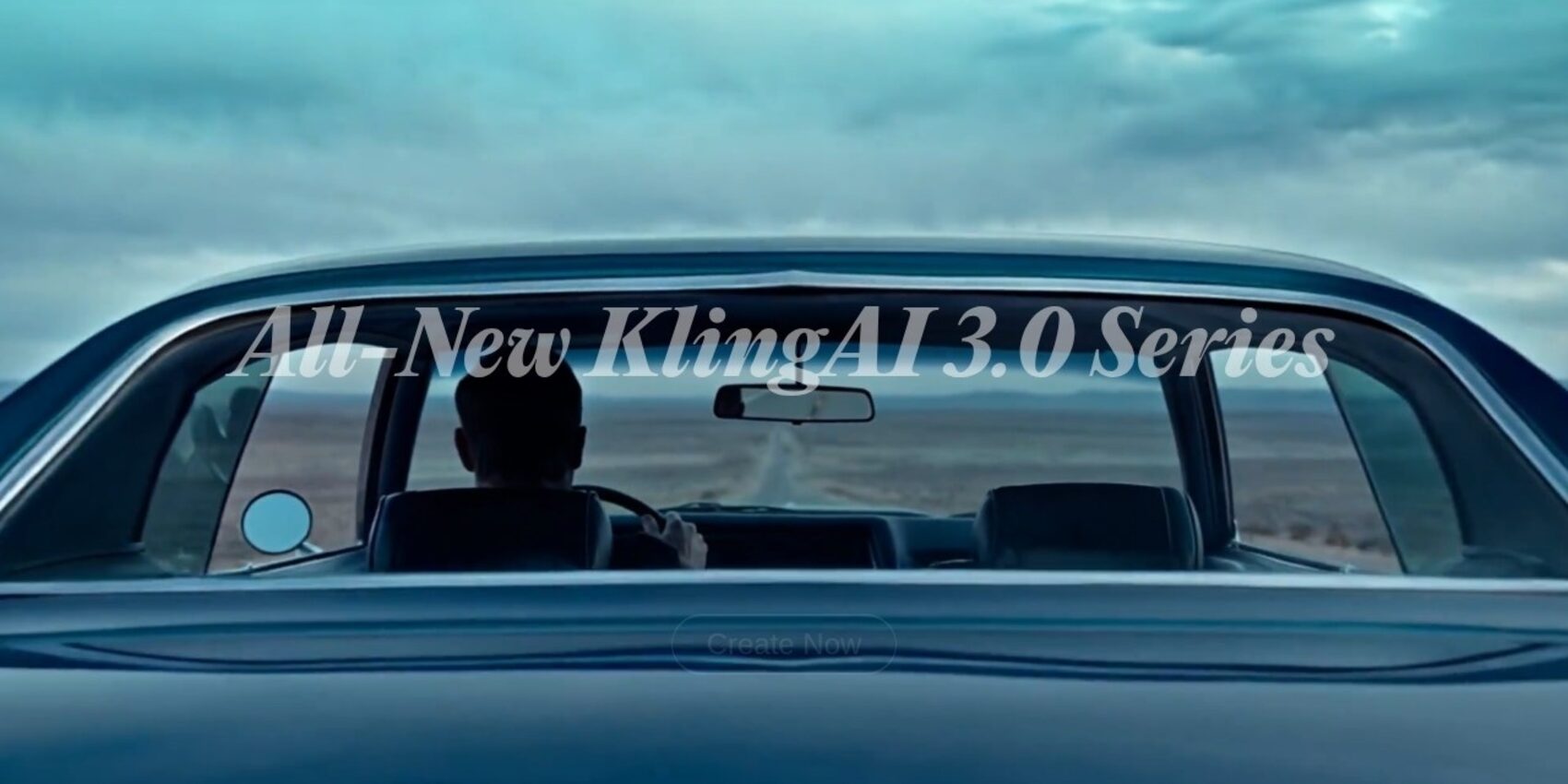
Kling 3.0 arrived in February 2026 and changed what one prompt can do. It accepts text, images, audio and video as inputs, and it can plan several shots inside a single generation.
The Omni variant adds element reference, so a character or a product stays recognisable from shot to shot. In addition, audio and video now generate together rather than as two separate jobs.
Kuaishou says the 3.0 launch took the app to number one on the App Store in 42 countries. By then the platform counted more than 60 million creators and 600 million generated videos.
Kling 3.0 Turbo, Native Audio and the Fifteen Second Ceiling
Kling 3.0 Turbo followed on 17 June 2026 as the speed option. It renders at 720p or 1080p, handles clips from three to fifteen seconds and supports up to six shots in one prompt.
Native audio includes lip sync in five languages. As a result, a talking character no longer needs a second tool to move its mouth in time with the line.
The ceiling remains fifteen seconds per clip. Anything longer means extending or stitching clips, and every extension draws more credits.
Kling AI Motion Control and Image to Video
Motion Control is the feature other generators copy. You supply a reference performance, and Kling transfers the movement and facial expression onto your own character.
Image to video is the everyday workhorse. Upload a still, describe the motion, and the model animates it with convincing weight and physics. For product shots and portraits, this mode delivers the most reliable results.
Meanwhile Element AI Multi Shot is free three times a day on every paid plan, which helps when a sequence needs consistent subjects.
Native 4K, Image Generation and Avatar 2.0
Paid plans unlock native 4K video, pitched squarely at commercial production. Kling Image 3.0 adds still generation at 2K and 4K, with batch and series tools for campaign work.
Avatar 2.0 covers the talking head format. Therefore one account can produce the product shot, the hero image and the spokesperson clip.
The catch is speed. Reviewers measure 4K renders in minutes per clip, so high resolution work needs patience as well as credits.
Kling Canvas, the API and What Else This Kling AI Review Found
Kling Canvas is an agent style workspace for arranging generations into a project. Next to it, Kling now ships an MCP server and a command line tool, so AI agents can call the models directly.
The developer API is a separate product with its own billing. Kuaishou reports about 50,000 enterprise clients, which shows how much of the business runs through that channel.
Finally, the NEXTGEN Initiative offers grants and promotion to selected creators. None of that changes the consumer app, yet it signals where the company invests.
How Good Is Kling AI in Practice?

In practice Kling produces the most convincing motion in consumer AI video. Cloth, water, hair and bodies behave with believable weight, and camera moves feel planned rather than random.
Reliability is the weak side, and this Kling AI review has to put it plainly. Users on Trustpilot report generations that fail near the end yet still consume credits, and several describe slow support replies about refunds.
Queue times are the other friction. Free accounts wait longest, and even paid users see slow 4K renders at peak hours. However, a subscription does move you into the fast track queue.
The interface is also less polished than Runway. Menus shift between releases, and some settings hide behind icons, so the first hour involves some hunting.
Kling AI Pricing: Is Kling AI Free?
Kling publishes its plans on an official pricing page, and every figure in this Kling AI review was read directly from it in September 2026. The headline prices are first month offers, so the table lists what you pay after that too.
| Plan | Price |
|---|---|
| Free | $0: about 66 credits a day, watermarked, no commercial use |
| Standard | $10 list, $6.99 first month, then $8.80 / month: 660 credits |
| Pro | $37 list, $25.99 first month, then $32.56 / month: 3,000 credits |
| Premier | $92 list, $64.99 first month, then $80.96 / month: 8,000 credits |
| Ultra | $180 list, $127.99 first month, then $159.99 / month: 26,000 credits |
| Yearly | Up to 34 percent off the monthly list price |
Three details hide in that table. First, the discount applies once, so the Standard plan becomes $8.80 from month two. Second, subscription credits last one billing month and do not roll over, while add-on credit packs stay valid for two years. Third, the value per credit improves sharply with size: 100 credits cost $1.06 on Standard but only $0.49 on Ultra. So is Kling AI free? Yes for testing, since the daily credits cover a few short standard clips. For client work, the watermark and missing commercial rights push you onto a paid plan.
Kling AI Review: What a Clip Really Costs in Credits
Credit cost depends on the model, the mode and the length. In the 3.0 Standard mode a five second clip costs roughly ten credits, while the Professional mode with audio runs closer to ten credits for every second.
That gap reshapes the plan maths. The 660 Standard credits buy dozens of short standard clips, yet only a handful of ten second professional clips with sound.
Retries add up too. Because a complex prompt rarely lands first time, budget two or three attempts per keeper before choosing a tier.
Is Kling AI Legit? What to Expect
Kling is legitimate and very well resourced. Kuaishou is a listed company with around 412 million daily users on its main app, and Kling alone passed 1.5 billion yuan of revenue in the first half of 2026.
For this Kling AI review, those figures come from Kuaishou quarterly results. Scale confirms it. The company reports more than 100 million registered users across 224 countries and regions.
The caveat is customer experience. The kling.ai page on Trustpilot sits at 1.6 out of 5 from a small sample, and nearly every complaint concerns billing, renewals or credits lost to failed jobs. Read the renewal price before you subscribe, and turn off auto renewal if you only want one month.
Kling AI Review: Alternatives Worth Comparing
Kling AI vs PixVerse

PixVerse is the budget answer. It gives 60 free credits a day, publishes per second rates and leans on templates and effects built for social feeds.
Kling holds physics and continuity better across a shot. Therefore pick PixVerse for daily volume, and pick Kling when the clip has to look filmed.
Kling AI vs Runway
Runway sells control and a cleaner editor. Its professional tools and polished workflow suit teams that need repeatable results, and its support reputation is stronger.
Kling usually wins on raw realism per dollar. Consequently many creators generate in Kling and finish elsewhere.
Kling AI vs Hailuo AI

Hailuo, from MiniMax, is the closest Chinese rival. Its models handle complex human movement well, and the Trends data shows people actively comparing MiniMax with Kling this month.
Kling offers the wider toolkit, with Motion Control, 4K and avatars. Hailuo is the simpler, cheaper place to test an idea.
Where It Excels (and Where It Falls Short)
Pros
- The most convincing motion and physics in consumer AI video, especially for people, cloth and water
- Kling 3.0 accepts text, image, audio and video inputs and can plan several shots in one generation
- Native audio with lip sync in five languages removes a separate dubbing step
- Motion Control transfers a reference performance onto your own character
- Native 4K video and 4K images on every paid plan, with commercial rights and no watermark
- A published pricing page, with the price per 100 credits shown for every tier
- Backed by listed Kuaishou, with over 100 million users and fast growing revenue
Cons
- First month discounts headline the page, and the renewal price is noticeably higher
- Subscription credits expire after one month and never roll over
- Failed generations can still consume credits, according to many Trustpilot reports
- Trustpilot sits at 1.6 out of 5, driven by billing and support complaints
- Free output is watermarked, slow to queue and excluded from commercial use
- Clips stop at fifteen seconds, so longer pieces need extensions that cost more credits
- 4K renders take minutes per clip, and the interface is less polished than Runway
Kling AI Review Verdict: Is It Worth It?
Kling is the best looking AI video generator most people can afford. When a clip must pass for real footage, few tools at this price come close, and Motion Control plus native audio widen the lead.
The business around the model is the weaker part. Intro pricing, expiring credits and failed jobs that still bill make the true cost higher than the first month suggests.
So the advice from this Kling AI review is practical. Test on the free daily credits first, then buy Standard for a single month with auto renewal switched off. Judge Kling by the clips you keep, not the credits you spend chasing them.
Want More Than This Kling AI Review?
Kling leads one of the fastest moving categories in AI. Our roundup of the best AI video generators sets it beside PixVerse, Hailuo, Runway and the rest, with prices side by side.
If the budget is zero, start with the best free AI video generators instead. Meanwhile our PixVerse AI review and Higgsfield AI review cover the cheaper, effects driven side of the market.
Frequently Asked Questions
Is Kling AI free?
Yes, with limits. A free account receives about 66 credits a day, enough for a few short standard clips. However, free output is watermarked, queues slowly and cannot be used commercially.
How much does Kling AI cost?
Standard lists at $10 a month, Pro at $37, Premier at $92 and Ultra at $180. First month offers cut those prices, and after that Standard renews at $8.80. Yearly billing saves up to 34 percent.
How many credits does a Kling AI video use?
It depends on mode and length. A five second 3.0 Standard clip costs roughly ten credits, while Professional mode with audio uses about ten credits per second. Retries also consume credits.
Who owns Kling AI?
Kling AI belongs to Kuaishou Technology, the Hong Kong listed company behind the Kwai short video app. Kuaishou launched Kling in June 2024, and it now reports more than 100 million registered users.
Is Kling AI safe?
Kling is a legitimate product from a listed company, so the app itself is safe to use. Still, review the renewal price and data settings before paying, because most user complaints concern billing.
How do you cancel a Kling AI subscription?
Turn off auto renewal in your Kling membership settings, or in the App Store or Google Play if you paid there. In addition, remaining credits stay usable until the billing period ends.
What is the maximum video length on Kling AI?
A single generation runs up to fifteen seconds on the 3.0 models. Longer videos need clip extensions or editing several generations together, and each extension costs more credits.
Is Kling AI better than Runway?
For realism per dollar, Kling usually wins. Runway, on the other hand, offers stronger editing control, a more polished interface and a better support reputation for professional teams.