A 19-year-old just raised $11 million to sell you a computer with no screen: meet the Ghost computer AI box called Core.
The Ghost computer AI launch landed on October 5, 2026. Ghost, a San Francisco startup, left stealth with an $11 million seed round led by Andreessen Horowitz. It also opened preorders for Core, a $3,499 machine built to run personal AI agents at home. However, the box has no screen at all. Here is what it does, what is inside, and who it is for.
What Is the Ghost Computer AI Device?
Core is a personal computer made for AI agents, not for people. According to TechCrunch, founder Zain Javaid calls it a “brain in a box”. You do not sit in front of it. Instead, you reach it from a phone app, by text or by voice.
The idea is simple. Your agent runs around the clock on hardware you own. As a result, it can keep working without constant prompts from you.
Ghost spent about a year building in stealth before this week. The company assembles the machine at its own facility in San Francisco.
Ghost Core Price, Specs and Models
Core costs $3,499, and that price includes the graphics chip. Javaid told TechCrunch the box ships with an Nvidia RTX Pro 4000 SFF Blackwell GPU. Crypto Briefing lists the rest of the hardware.
| Part | Ghost Core | Reported by |
|---|---|---|
| Price | $3,499, no subscription | TechCrunch, Crypto Briefing |
| GPU | Nvidia RTX Pro 4000 SFF Blackwell, 24 GB | TechCrunch, Crypto Briefing |
| Processor | AMD Ryzen 5 7600, 6 cores | Crypto Briefing |
| Memory | 64 GB DDR5 | Crypto Briefing |
| Storage | 1 TB NVMe SSD | Crypto Briefing |
| Models | Qwen-3.8-Next, Qwen-3.8-27B, Gemma-4-31B | TechCrunch |
| Screen | None, phone app and voice | TechCrunch |
In addition, owners can install other models from Hugging Face or load ones they trained themselves. Ghost also plans over-the-air updates.
What the Personal AI Computer Actually Does
Ghost pitches Core as an agent that acts before you ask. It pulls context from your desktop, your apps and your smart home devices. Then it decides when to speak up.
Javaid gave TechCrunch one example. Core might warn you that you are getting sick. It sees a higher resting heart rate and a late night of work in your computer history. It also knows that flu season has started in San Francisco.
Meanwhile, users decide how much freedom the agent gets. So the same box can only suggest, or it can take actions on your behalf.
How the Local AI Computer Handles Privacy
Privacy is the main selling point. The models and the personal memory run on the device, not in a cloud. Ghost says it encrypts all personal information locally.
“The user owns all of it,” Javaid said. He added that the source code, logic and model weights live on the device. Because of this, Core should keep working even if Ghost shuts down.
There is also a firewall that watches outgoing network requests. If the agent tries to send out data it should not, the firewall rejects the request. After that, it flags the attempt for your review.
Who Is Behind Ghost? Zain Javaid and a16z
Javaid is 19 and serves as chief executive. He was drawn to quantitative investing first. However, the release of ChatGPT in 2022 pushed him toward AI.
He has three co-founders: Nicholas Chua, 19, Yifei Chen, 24, and Gautam Sharda, 23. Together they raised $11 million in seed money.
Andreessen Horowitz led the round. Abstract, Audacious Ventures, SV Angel and Nova also joined, according to TechJuice and SSBCrack News.
Ghost Computer AI vs Mac Mini and DGX Spark
The Ghost computer AI box enters a busy corner of the market. Many people already run agents on a small desktop, and TechCrunch names the Mac Mini as the common choice. Javaid argues that incumbents like Apple are strong in hardware. In his view, the hard part is software: reasoning, memory and knowing when to act.
Still, buyers have alternatives today. For example, the Mac Mini M4 Pro is a popular quiet desktop for local models. Nvidia sells its own small AI machine too, and our Nvidia DGX Spark review covers it in detail.
The difference is the software on top. Those machines are general computers that you set up yourself. Core arrives with the agent, the models and the firewall already in place.

Ghost Computer AI Release Date: When Core Ships
Preorders opened on Monday, October 5. Ghost says shipping starts in the last week of October, and Crypto Briefing puts the date at October 31, 2026.
Therefore, early buyers are betting on a first batch from a one-year-old company. Nobody outside Ghost has published an independent test yet.
That matters, because the promise is large. A Ghost computer AI agent that reads your health data and files has to earn a lot of trust. So the first hands-on reviews in November will show whether the firewall and the local models hold up.
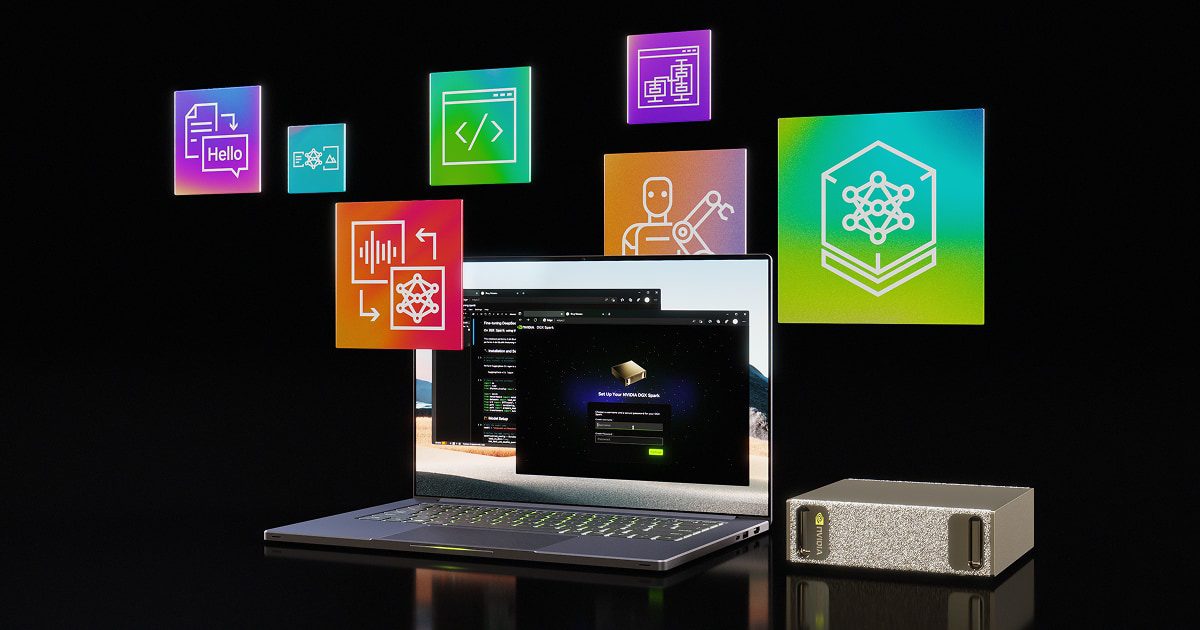
Want a small AI computer you can buy today? The Nvidia DGX Spark is the desktop rival we have already reviewed.
Want More on the Ghost Computer AI Story?
If you would rather build your own setup, start with our guide to the best desktop for AI. And if you only need the graphics card, see the best GPU for AI picks for local models.
Frequently Asked Questions
What is the Ghost computer AI device?
It is Core, a $3,499 screenless computer from the startup Ghost. It runs open AI models and personal agents locally, and you talk to it through a phone app by text or voice.
How much does Ghost Core cost?
Core costs $3,499. That price includes the Nvidia RTX Pro 4000 SFF Blackwell GPU, and Crypto Briefing reports there is no subscription. Preorders opened on October 5, 2026.
When does Ghost Core ship?
Shipping starts in the last week of October 2026, according to TechCrunch. Meanwhile, Crypto Briefing gives October 31 as the date for the first batch.
Who founded Ghost?
Zain Javaid, 19, is the founder and chief executive. In addition, the team includes co-founders Nicholas Chua, Yifei Chen and Gautam Sharda. Andreessen Horowitz led their $11 million seed round.
Which AI models run on Ghost Core?
Three open models come installed: Qwen-3.8-Next, Qwen-3.8-27B and Gemma-4-31B. However, owners can also add models from Hugging Face or load custom ones.
Is a local AI computer more private than a chatbot?
It can be, because data stays on hardware you own. For example, Ghost says Core encrypts personal data on the device and uses a firewall to block unwanted outgoing requests.
Sources
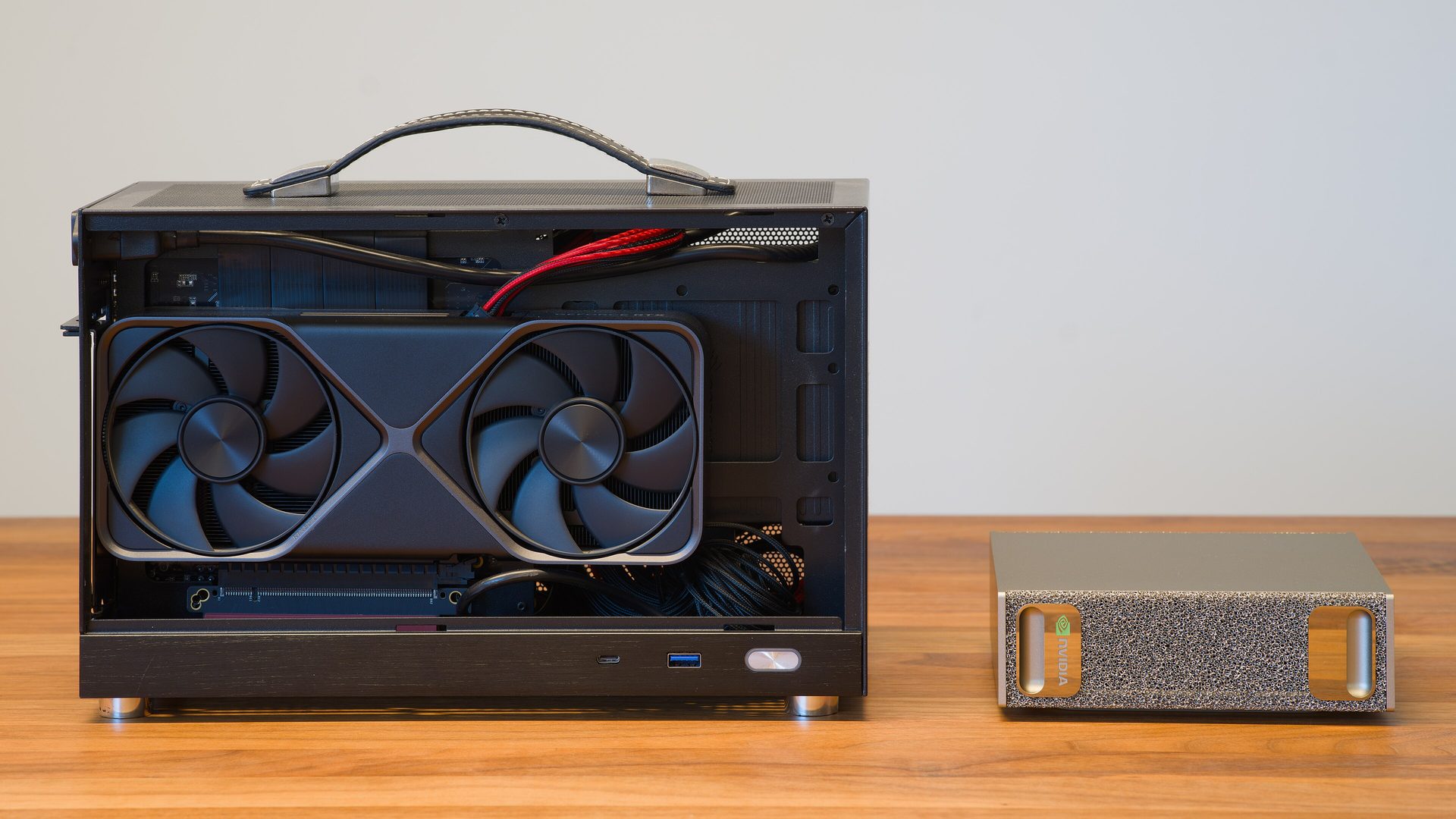
TechCrunch (October 5, 2026), Crypto Briefing, TechJuice, SSBCrack News. *Photos: KXRORS S300 SFF PC next to NVIDIA DGX Spark and Nvidia DGX Spark oblique view, both by Daniel Lu (dllu), CC BY-SA 4.0, cropped and resized. The photos show comparable small AI computers, not the Ghost Core.*