
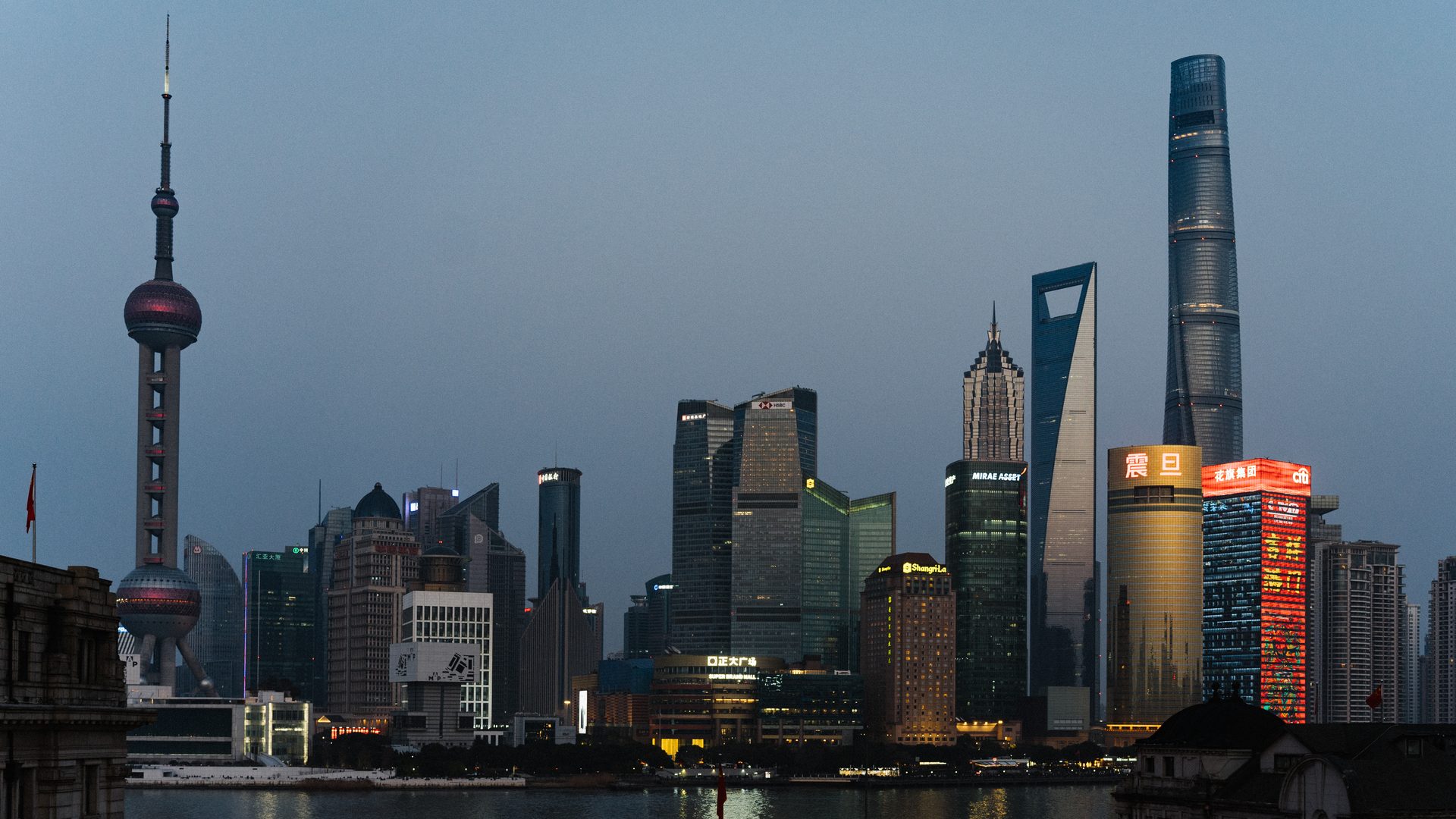
Two years of hype, one brutal autumn. Reuters now says the China AI bubble is not coming. It already popped.
The China AI bubble has burst, according to a Reuters analysis published on October 27, 2026. China’s STAR 50 index of AI and chip companies has dropped about 40% in under four months. As a result, roughly $480 billion in market value is gone.
China AI Bubble: What Reuters Found
The Reuters piece, written from Beijing, describes a two-year rally that turned into a rout. It started when promises of economic stimulus sent Chinese tech shares soaring.
Then the mood flipped. Besides the STAR 50 slide, the blue-chip CSI 300 index sits about 20% below its June peak, as Reuters reported via The Kathmandu Post.
Beijing fund manager Dong Baozhen summed it up: “The stock market later evolved into a speculative crazy bull.” He added: “And now we see the bubble bursting.”
STAR 50 Index: 40% Gone in Under Four Months
The STAR 50 index tracks the 50 biggest companies on Shanghai’s STAR Market, the board built for tech and chip firms. In other words, it is the purest gauge of the China AI trade.
Even after the crash, it is not cheap. According to Reuters, the STAR 50 trades at about 100 times trailing earnings, down from a peak near 250 times.
By comparison, the Nasdaq 100 trades at about 30 times. So the Chinese AI index still costs more than three times as much per dollar of profit.

Chinese AI Stocks That Fell Hardest
The pain did not hit every stock equally. Here are the Chinese AI stocks Reuters singled out, and what happened to each.
| Company | What it makes | Move reported by Reuters |
|---|---|---|
| Unitree | Humanoid and legged robots | Halved since its August debut |
| MetaX Integrated Circuits | GPU chips | Lost half its value since July |
| Moore Threads | GPU chips | Lost half its value since July |
| Zhongji Innolight | Optical components | About 60% below its peak |
| Eoptolink Technology | Optical components | About 60% below its peak |
| CXMT | Memory chips | Down more than a quarter in a month |
Unitree is the starkest case. Its IPO was 8,000 times oversubscribed by retail investors. Similarly, MetaX and Moore Threads jumped 700% and 400% on debut last year.
Why the China AI Bubble Burst Now
So did China’s AI bubble burst because of one event? Not really. Reuters found no single trigger.
Instead, traders pointed to a pile of pressures. Valuations were stretched, tax bills came due, and Washington moved to ban Chinese optical suppliers from US data centres.
Beijing’s own rules played a part too. Regulators cracked down on leveraged and high-frequency trading, while state-backed investors sold into rallies.
Meanwhile, spending kept climbing. Startup Fortune notes that Alibaba, Tencent and Baidu spent about $20 billion on AI in the second quarter. That is more than double the year before, and it pushed their free cash flow negative.
Is the AI Bubble Going to Burst in the US?
That is the question US investors keep typing into Google. So far, Wall Street has taken a much smaller hit.
The Nasdaq is about 6% below the record it set three weeks ago, BeInCrypto reported on Yahoo Finance. Reuters called that slide a “mere prick” next to China’s.
Still, the week ahead matters. Microsoft and Alphabet report earnings on Wednesday, and Amazon follows on Thursday. Alphabet expects to spend $195 billion to $205 billion on chips and data centres in 2026.
In short, investors want proof that this spending pays off. We covered a similar test in our look at why AI stocks were down during the June selloff.
China Stock Market Crash or a Reset?
Not everyone calls this a disaster. Some investors told Reuters the selloff was neither unexpected nor harmful to long-term reforms.
After all, Beijing wants a “slow bull” market that rewards household savers with steady returns. A speculative spike works against that goal.
Nevertheless, the damage is real for retail buyers. Hainan investor Chen Wensheng joined the rally believing the government backed Unitree, Reuters reported. Now he and his friends sit on losses.
Partner Leo Wang at Qianchuang Capital described the side effects plainly: “This created a severe bubble in certain sectors and a serious drain on others.”
What Comes Next for the China AI Bubble
Forecasts point in different directions. Morgan Stanley expects offshore Chinese stocks to fall another 10% to 15% before they bottom, according to BeInCrypto.
On the other hand, BNP Paribas strategist William Bratton sees buying opportunities for cautious investors. Goldman Sachs also refreshed its list of Chinese AI picks this month, and it included CXMT and Innolight.
Wang Zhuo of Shanghai Zhuozhu Investment Management expects a price war among chipmakers and AI suppliers. “All bubbles inevitably burst,” he told Reuters.
Finally, Hong Hao of Lotus Asset Management expects fewer tech listings ahead. Either way, the China AI bubble has become the stress test the rest of the AI trade is now watching.
Want More on China AI Bubble?
See how US traders read the shift in our report on the AI sector market trend Jim Cramer flagged. Then find out why Jensen Huang floated an Nvidia AI software GPU licensing fee for its chips.
Frequently Asked Questions
Did China's AI bubble burst?
Reuters says it already has. China’s STAR 50 index of AI and chip stocks fell about 40% in under four months, wiping out roughly $480 billion.
What is the STAR 50 index?
It tracks the 50 largest companies on Shanghai’s STAR Market, a board for tech firms. As a result, it works as the main gauge of Chinese AI and chip stocks.
How much did Chinese AI stocks lose?
About $480 billion in market value, per Reuters. For example, Unitree halved since its August debut, while MetaX and Moore Threads halved since July.
Why did Chinese AI stocks fall?
There was no single trigger. Instead, traders blamed high valuations, tax bills, possible US bans on Chinese data centre gear and a crackdown on leveraged trading.
Is the AI bubble going to burst in the US?
Nobody knows yet. So far, the Nasdaq is only about 6% below its record, and Big Tech earnings this week are the next big test.
What do analysts expect next for Chinese stocks?
Morgan Stanley sees another 10% to 15% drop for offshore Chinese stocks. Meanwhile, BNP Paribas sees buying chances for cautious investors.
Sources
Reuters via The Kathmandu Post (October 27, 2026), BeInCrypto via Yahoo Finance (October 26, 2026), Startup Fortune (October 27, 2026). *Photos: Pudong skyline at dusk by Lloyd Tudor, CC BY-SA 4.0, cropped and resized; Shanghai Stock Exchange 2 by Dingding, CC BY-SA 4.0, cropped and resized.*