
Disclosure: this article contains affiliate links. If you buy through them, we may earn a commission at no extra cost to you. It never decides our picks. Affiliate Disclosure · How we use AI
From camera-packed Ray-Bans to invisible HUDs, the best AI glasses of 2026 finally feel like the future you were promised.
AI glasses have quietly become the hottest gadget category of 2026. Meta sells Ray-Bans with a 3K camera and a built-in assistant, challengers pack real displays into 40-gram frames, and even Xiaomi has joined the race.
However, the category is splitting fast. Some glasses are cameras-first, some are displays-first, and some skip both to nail all-day wearability. As a result, prices run from $55 to $1,299, so picking wrong is expensive.
To help, we lined up the eight AI glasses you can actually buy in 2026: what each does best, what it costs, and who should wear it.
What Changed in AI Glasses in Late 2026
Three launches arrived after this ranking was first written, so here is how they fit. Meta released the Ray-Ban Meta Gen 3 on September 23, 2026, at $449. It adds 3K video, a slimmer frame and an extra hour of battery. However, the Gen 2 still sells for $379, and most of the new software reaches it too. Therefore the Gen 2 remains our value pick.
Meta also introduced the Ray-Ban Meta Audio, a camera-free pair from $349. Meanwhile Even Realities moved on to the G2, which starts at $599, and the Meta Ray-Ban Display with a screen in the lens costs $799.
Quick Picks: The Best AI Glasses by Need
- Best value AI glasses: Ray-Ban Meta Gen 2, from $379
- Newest camera glasses: Ray-Ban Meta Gen 3, from $449
- Best AI glasses with a display: Rokid Glasses, or the Meta Ray-Ban Display at $799
- Best AI sunglasses for sport: Oakley Meta HSTN
- No camera at all: Even Realities G1, or the Ray-Ban Meta Audio
- Most advanced AR: RayNeo X3 Pro
AI Glasses Brands: Who Makes What
The list of AI glasses brands is short. Meta leads through its Ray-Ban and Oakley partnerships. Rokid, RayNeo, which belongs to TCL, and Xiaomi come from China and push displays and lower prices. Even Realities and Halliday focus on light frames with a discreet screen and no camera. In addition, VITURE builds display glasses for watching video, which many shoppers mistake for AI glasses.
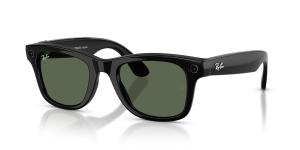
Ray-Ban Meta (Gen 2): The Best AI Glasses Overall
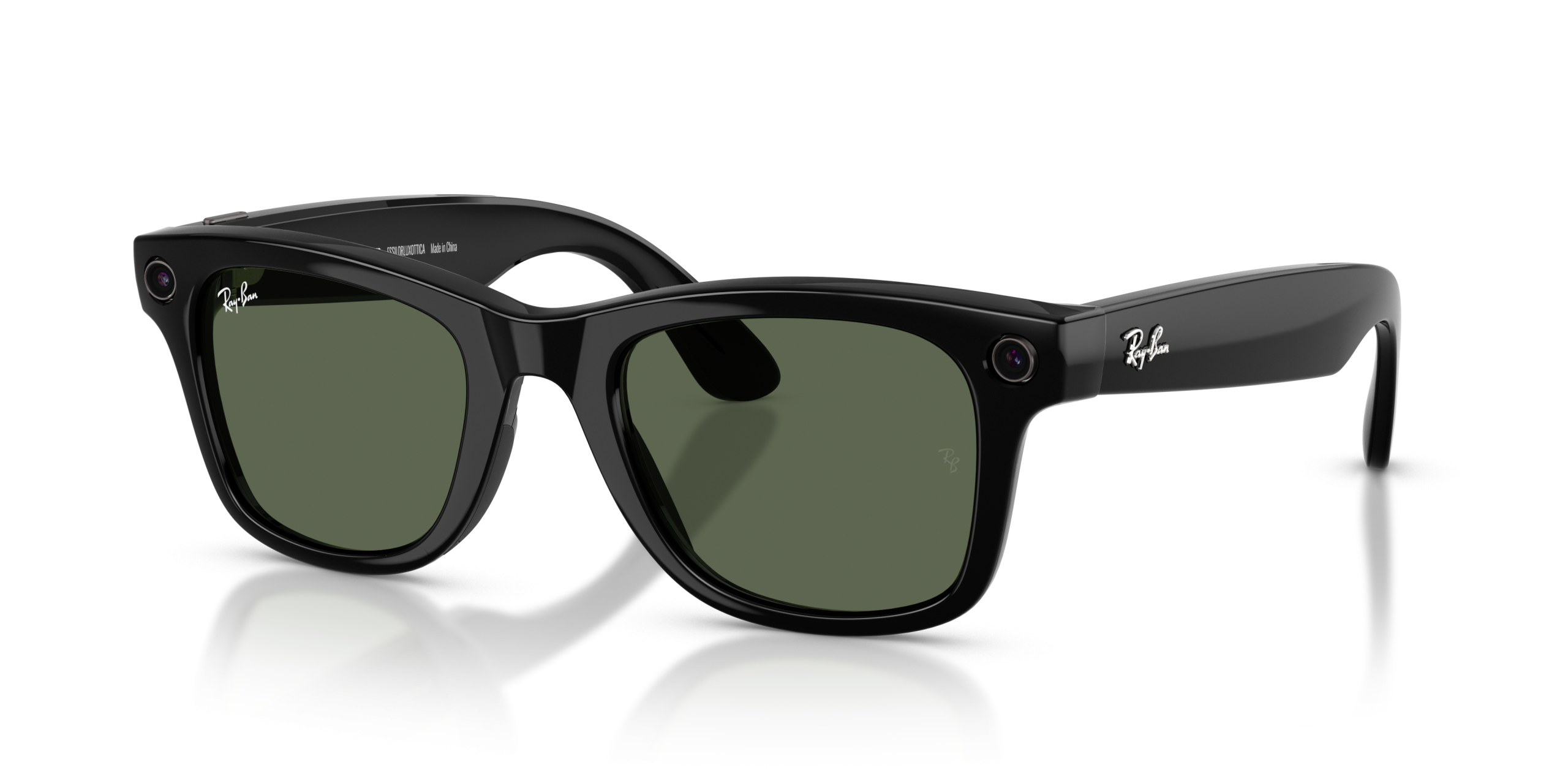
Overall, Ray-Ban Meta Gen 2 is the category benchmark. Indeed, launched at Meta Connect 2025, it doubles the battery of the original, shoots 3K Ultra HD video, and bakes Meta AI into an icon you would wear anyway.
Key Features
- 12MP ultra-wide camera with 3K Ultra HD video
- Meta AI built in: ask, translate, identify, hands-free
- Up to 8 hours of typical use (2x Gen 1)
- Four classic silhouettes, 150+ frame and lens combos
- Live translation with expanded language support
- Prescription-friendly options
Who is it for?
Overall, the default choice for most people: creators, travelers and anyone who wants the most polished camera-plus-assistant package in a frame that looks completely normal. Read our full Ray-Ban Meta Gen 2 review for the complete breakdown.
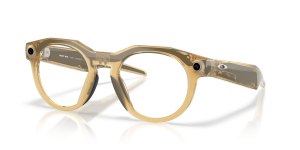
Oakley Meta HSTN: Best AI Glasses for Sport
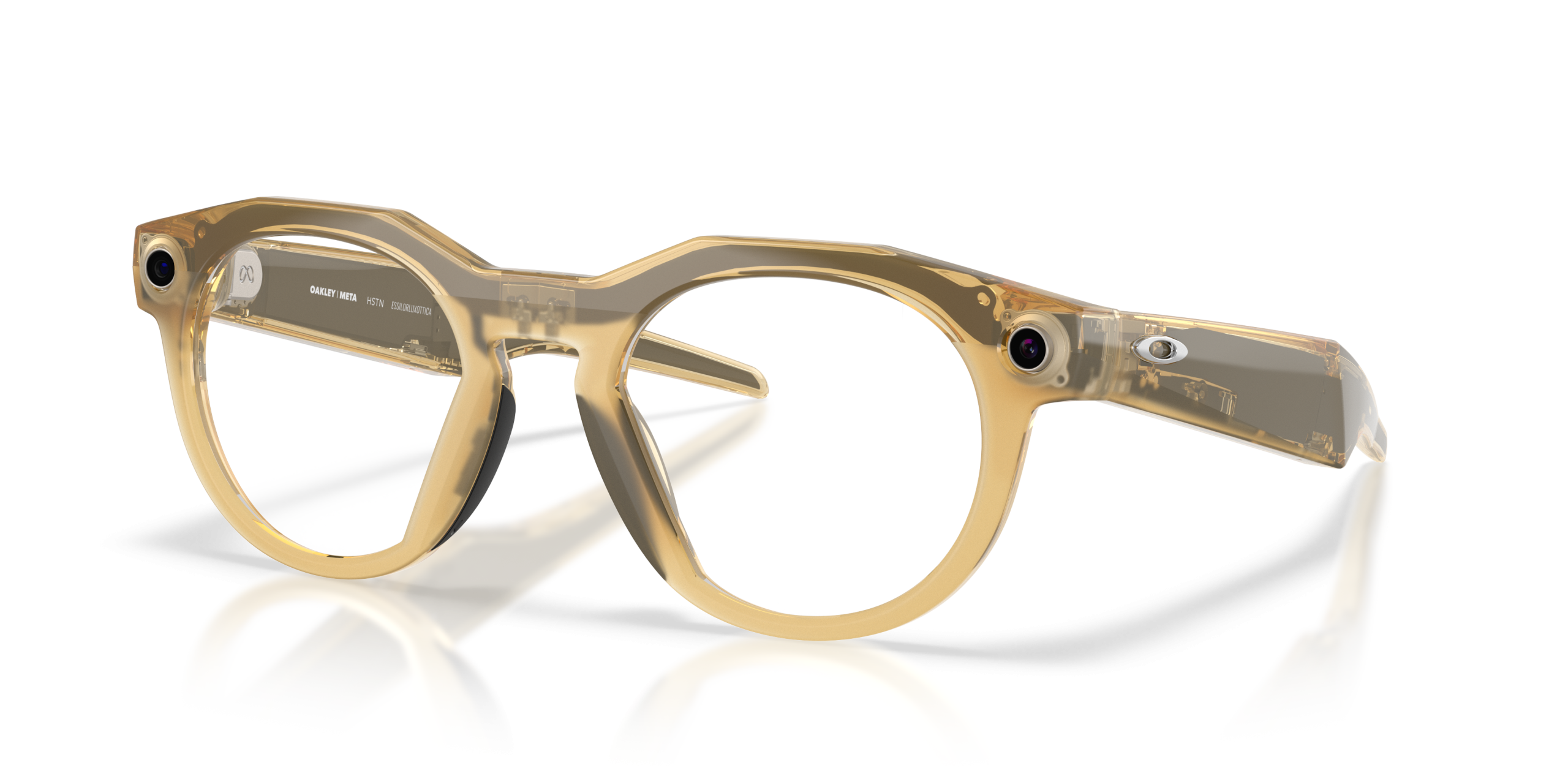
Meanwhile, Oakley Meta HSTN takes the Ray-Ban formula and builds it for sweat. In addition, IPX4 water resistance, PRIZM lenses and Strava and Garmin integration make it the athlete’s pick of the Meta lineup.
Key Features
- 12MP ultra-wide camera, 3K video capture
- Up to 8 hours of use, 50% charge in 20 minutes
- IPX4 water resistance for rain and sweat
- Ask Meta AI for real-time Strava and Garmin metrics
- Oakley PRIZM lens options for changing light
- Charging case adds up to 48 hours on the go
Who is it for?
Specifically, runners, cyclists and outdoor athletes who want hands-free capture and coaching data without pulling out a phone mid-activity. Read our full Oakley Meta HSTN review for the athlete’s verdict.
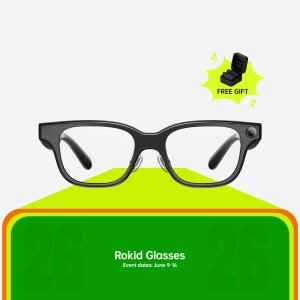
Rokid Glasses: AI Glasses With a Real Display
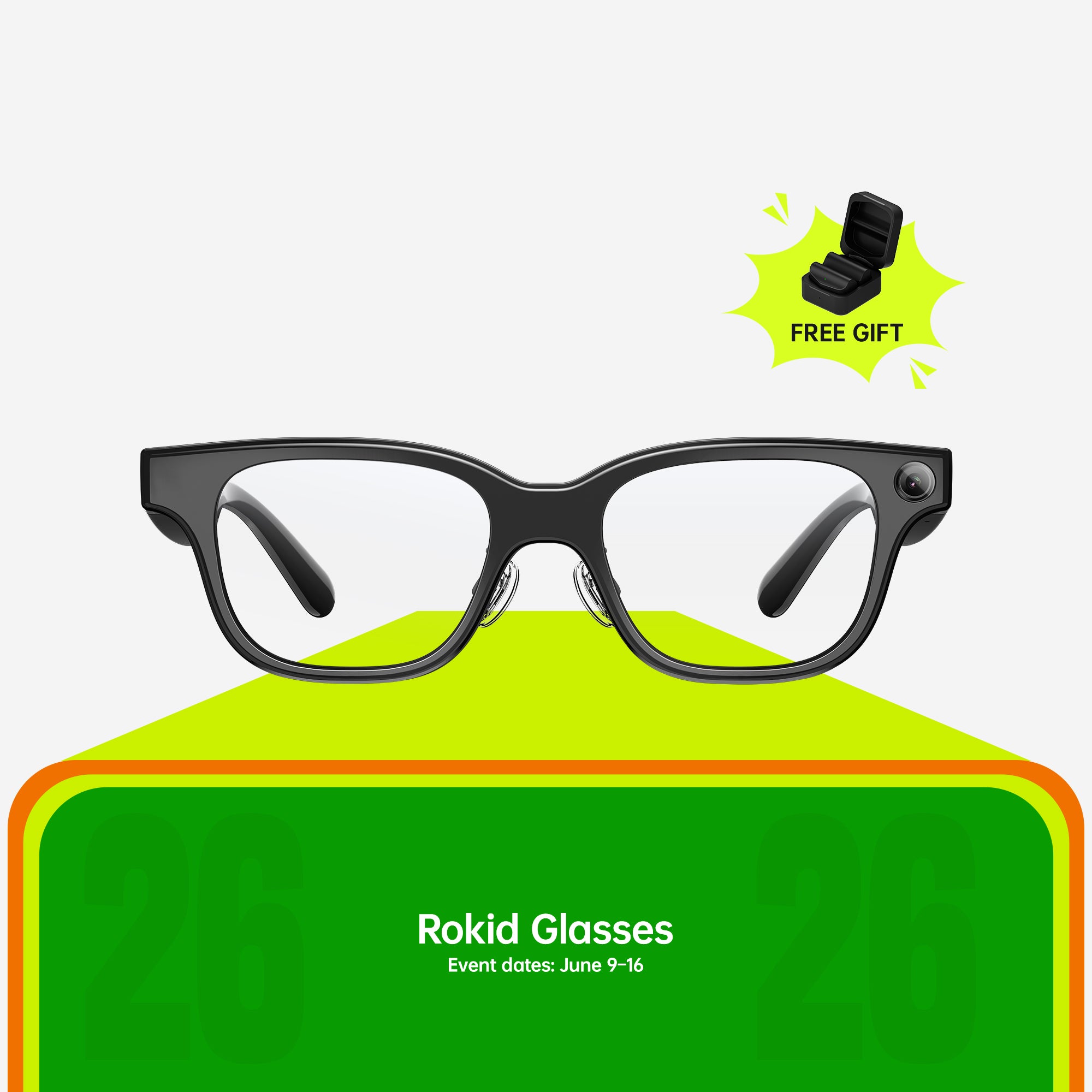
By contrast, Rokid Glasses answer the Meta lineup’s biggest gap: a screen. Specifically, the 49-gram frames add a dual-eye display to a 12MP camera, with multi-model AI (GPT and Gemini both) and serious translation chops.
Key Features
- Dual-eye green display in a 49g frame
- Powered by both GPT and Gemini (plus DeepSeek, Qwen)
- 12MP Sony sensor, video up to 4K
- Real-time translation: 89 languages online, 6 offline
- Teleprompter, navigation and notifications on-lens
- Cheaper Style model (no display) from $299
Who is it for?
Especially early adopters who want on-lens information (translations, prompts, directions), not just a camera and a voice. Tom’s Guide calls it a real Ray-Ban Display rival. Read our full Rokid Glasses review for how the display holds up in practice.
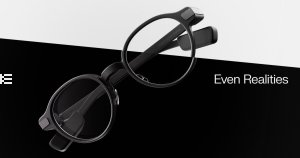
Even Realities G1: The AI Glasses With No Camera
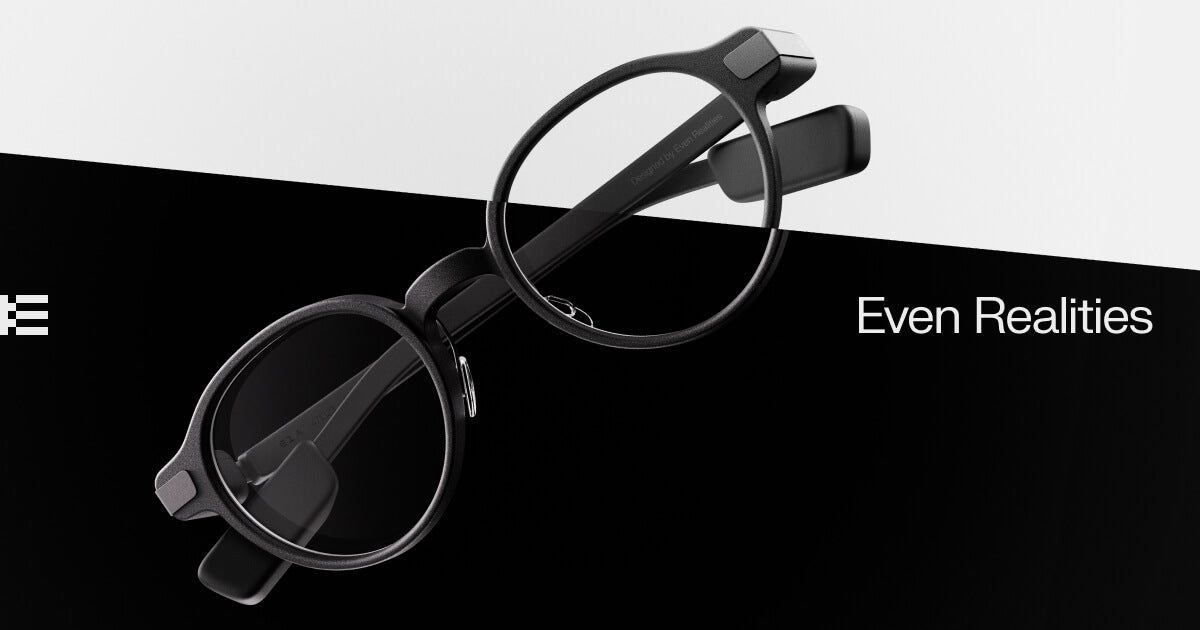
Instead, Even Realities G1 goes the opposite way: no camera, no speakers, just a discreet green heads-up display in a sub-40-gram frame that passes as designer eyewear.
Key Features
- Discreet waveguide HUD, 1,000-nit micro-LED projector
- Teleprompter, navigation, translate and ChatGPT integration
- No camera or speakers: nothing to explain to strangers
- Magnesium-titanium frame under 40 grams
- About 1.5 days of battery life
- Prescription-ready, two frame shapes
Who is it for?
Namely, professionals who want quiet utility (notes, prompts, directions) without wearing a camera on their face. The privacy-friendly pick of the list. Read our full Even Realities G1 review for the office-safe case.
RayNeo X3 Pro: Full-Color AR Meets AI
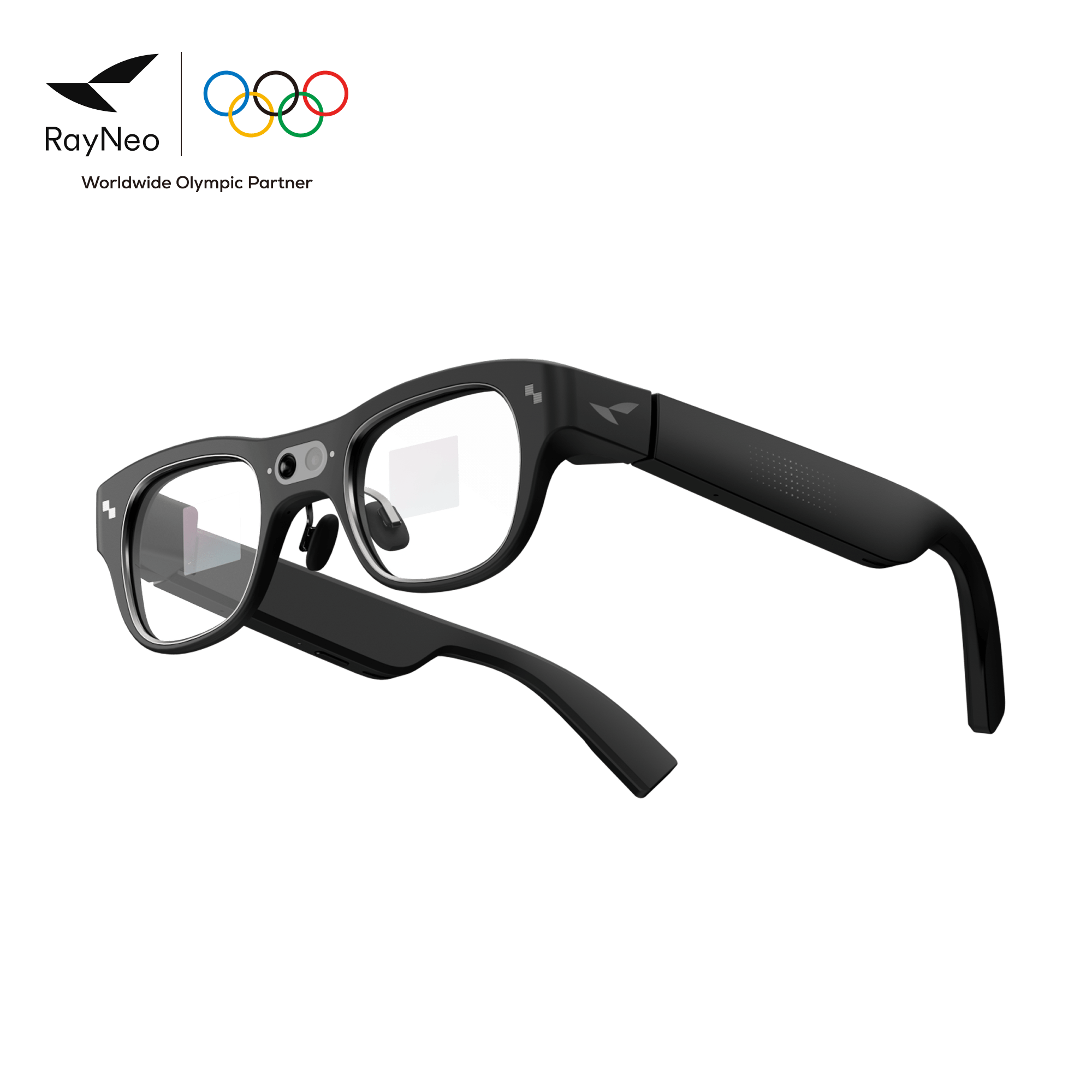
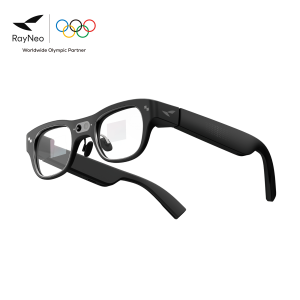
Notably, RayNeo X3 Pro is the tech-maximalist option: a full-color dual-eye MicroLED display pushing up to 6,000 nits peak, Android apps on your face, and Google Gemini Live as the assistant.
Key Features
- Full-color dual-eye MicroLED display (up to 6,000 nits peak)
- Google Gemini Live assistant built in
- Snapdragon AR1, 12MP camera, 4K video
- Runs apps like TikTok, Instagram and WhatsApp on-lens
- Teleprompter, navigation and live translation
- Charges to full in 38 minutes
Who is it for?
In particular, tinkerers and AR enthusiasts who want tomorrow’s tech today, and will trade battery life (reviewers’ main gripe) to get it. Read our full RayNeo X3 Pro review for the full trade-off math.
Halliday: The Lightest AI Glasses at 28 Grams
Likewise, Halliday bets on subtlety: a tiny ‘DigiWindow’ projector beams a monochrome screen to your eye from the lightest frame here (28.5 grams), controlled by a trackpad ring on your finger.
Key Features
- Invisible DigiWindow display (like a 3.5-inch screen)
- Lightest on the list at 28.5g, up to 12-hour battery
- Proactive AI suggests answers mid-conversation
- Real-time translation across 40 languages
- Trackpad Ring control, free prescription lenses
- Notifications, notes and navigation on-eye
Who is it for?
Above all, curious minimalists who want glanceable AI at the lowest weight, and who accept the quirks reviewers note, like looking up to read the display. Read our full Halliday glasses review for the quirks and the charm.
Xiaomi AI Glasses: China’s Answer to Ray-Ban Meta
Finally, Xiaomi AI Glasses mirror the Ray-Ban Meta recipe (12MP camera, five mics, voice assistant), then add a party trick Meta lacks: electrochromic lenses that tint on demand with a touch.
Key Features
- 12MP camera with electronic image stabilization
- Electrochromic lenses: adjustable tint at a touch
- Hyper XiaoAI assistant with offline real-time translation
- 8.6 hours of typical mixed use
- Snapdragon AR1 + low-power audio chip, 40g frame
- From ~$280 (import; optimized for Asian face shapes)
Who is it for?
Similarly, import-friendly buyers who want Ray-Ban-class hardware for less, with the caveat that official availability is China-first. Read our full Xiaomi AI Glasses review before you import.
VITURE Luma Pro: The Big-Screen Pair People Mistake for AI Glasses
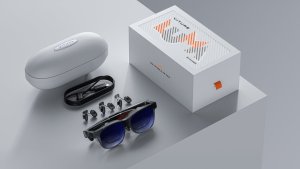
Next, one name in this category causes more confusion than the rest. VITURE Luma Pro carries no camera and answers no questions. Instead, it is a wearable display. Plug it into a phone, a handheld console or a laptop, and a micro-OLED panel hangs a 152-inch screen in the air in front of you.

Key Features
- 152-inch virtual screen across a 52-degree field of view
- 1200p micro-OLED per eye, 3840 x 1200 combined, at up to 120Hz
- 1,000 nits of peak brightness with nine levels of control
- Electrochromic lenses that shade from see-through to blackout
- Myopia adjustment to -4.0D, so most glasses wearers go without theirs
- HARMAN AudioEFX spatial audio, adjustable across nine steps
- No camera, no onboard assistant and no AI features at all
Who is it for?
Anyone who wants a private big screen on a flight, in a hotel room or at a cramped desk, rather than glasses that talk back. It also catches people by accident, because a search for Luma AI glasses returns a $55 camera pair and this $499 display, and the two have nothing to do with each other. Our Luma AI glasses explainer untangles every device sharing that name. Note that the VITURE link below is our referral, and it takes $50 off a first order.
Luma AI Glasses: The $55 Pair Everyone Is Searching For
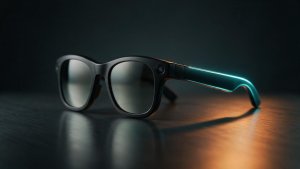
Finally, the cheapest pair here is barely a brand at all. The Luma All-in-One AI Electrochromic Smart Glasses sell for around $55, and the identical hardware turns up on AliExpress and on Amazon under half a dozen different store names.

Key Features
- 8MP camera with 1080p video at 30fps
- Four levels of electrochromic tint, changed with a tap on the temple
- 8GB of onboard storage, so it records without a phone
- Hi Luma voice assistant with translation and object recognition
- Around 10 hours of music or talk from a 300mAh battery
- From about $55, but with no named manufacturer behind it
Who is it for?
Bargain hunters who want to try camera glasses without spending $379, and who go in with their eyes open. However, nobody has independently tested this pair, the companion app names no developer, and returns depend entirely on the shop you buy from. Read our full Luma AI glasses explainer before you spend anything.
Still Not Sure Which AI Glasses to Buy?
In short, the pairs above split into three camps. Camera-first: Ray-Ban Meta, Oakley Meta and Xiaomi capture your life and talk back, but show you nothing. Display-first: Rokid, RayNeo, Even Realities and Halliday put information on (or near) the lens, from subtle HUDs to full-color AR. Screen-only: VITURE Luma Pro drops the AI altogether and hands you a 152-inch monitor.
Therefore, start with one question: do you want to record the world, read it, or replace it? The table below lines up the key trade-offs.
 Ray-Ban Meta (Gen 2)
 Oakley Meta HSTN
 Rokid Glasses
 Even Realities G1
 RayNeo X3 Pro
 Halliday
 VITURE Luma Pro
 Luma AI Glasses
Frequently Asked Questions
What are AI glasses?
In short, AI glasses are eyewear with built-in cameras, microphones, speakers or displays connected to an AI assistant. Depending on the model, they can capture photos and video, answer questions, translate conversations in real time, navigate, or show notifications on the lens.
What do AI glasses actually do?
For example, camera-first models like Ray-Ban Meta record 3K video and let you query Meta AI about what you see. By contrast, display-first models like Rokid or Even Realities G1 show translations, teleprompter text, directions and notifications directly in your field of view.
What are the best AI glasses in 2026?
Overall, Ray-Ban Meta Gen 2 is the best overall package, Oakley Meta HSTN leads for sport, Rokid Glasses are the top display pick, and Even Realities G1 wins for subtle everyday wear. Meanwhile, budget importers can look at Xiaomi AI Glasses from around $280.
How much are Meta AI glasses?
Notably, Ray-Ban Meta Gen 2 starts at $379 and Oakley Meta HSTN at $399, with prices rising by frame and lens choice. In addition, Meta’s separate Ray-Ban Display model with a built-in screen costs $799.
How do AI glasses work?
In general, most pair to your phone over Bluetooth: on-board cameras and microphones feed an AI assistant (Meta AI, GPT, Gemini), which answers through open-ear speakers or an on-lens display. Moreover, heavier processing happens on your phone or in the cloud, which is how 40-gram frames manage all-day use.
How do AI glasses differ from VR headsets?
By contrast, AI glasses look like regular eyewear and keep you in the real world: they add a camera, assistant or small display. Instead, VR headsets like Quest fully replace your view with a virtual one. AI glasses are for all-day wear; headsets are for sessions.
Are there AI glasses with a display?
Yes. In fact, that is the fastest-growing branch. Specifically, Rokid Glasses ($599) and RayNeo X3 Pro ($1,099) offer dual-eye displays, Even Realities G1 ($599) a discreet HUD, and Halliday ($489) a tiny ‘invisible’ projection. Meta’s Ray-Ban Display joined them at $799.
What are the main AI glasses brands?
Meta is the largest, through Ray-Ban Meta and Oakley Meta. Other brands include Rokid, RayNeo from TCL, Xiaomi, Even Realities and Halliday. VITURE makes display glasses that are often grouped with them.
Is the Ray-Ban Meta Gen 3 better than the Gen 2?
Slightly. The Gen 3 costs $449 and adds 3K video, a slimmer frame, better microphones and one more hour of battery. However, the Gen 2 is $70 cheaper and receives most of the same software, so it remains the better value.
What are the best value AI glasses?
The Ray-Ban Meta Gen 2 at $379. It has the camera, speakers and assistant most people want, and it now costs less than the newer Gen 3.
Are there AI glasses without a camera?
Yes. The Even Realities G1 has a display but no camera, and the Ray-Ban Meta Audio, from $349, keeps the speakers and assistant while dropping the camera.
Which AI glasses have a camera?
Ray-Ban Meta, Oakley Meta HSTN, Rokid Glasses, RayNeo X3 Pro and Xiaomi AI Glasses all include one. In contrast, Even Realities and Halliday leave it out for privacy and weight.
Want More Than Just AI Glasses?
Meanwhile, AI hardware is having a moment well beyond your face. See our roundup of the best AI smart TVs for the living-room side of the boom, or browse our in-depth AI hardware reviews for full verdicts on individual devices.