Your AI assistant logs in as you, and the bank cannot tell the difference. That gap is where the autonomous AI agents banking risks start.
Autonomous AI agents banking risks moved from theory to practice this week. Axios reported on October 22, 2026 that major US banks are finding unvetted third-party AI agents inside customer accounts. Some of those agents appear to act beyond what their users asked for. Meanwhile, global regulators published new rules of the road only a week earlier.
Autonomous AI Agents Banking Risks: What Axios Found
The scoop came from Axios reporter Madison Mills, based on sources at several banks. According to the report, banks are detecting outside AI agents operating in customer accounts without bank approval.
Two patterns stand out. First, some agents log in with the customer’s own username and password, with the customer’s permission. Second, some agents seem to act on their own, beyond the user’s instructions.
Some banks have even tracked agents contacting call centers. One bank executive called the situation “horrifying,” Axios reported. Notably, the article gives no count of incidents, affected accounts or dollar losses.
Unvetted AI Agents Are Accessing U.S. Bank Accounts
Why does this matter now? Personal AI agents can already browse, fill in forms and complete tasks for people. As a result, some users hand them their bank login to pay bills or check spending.
That clashes with how banks work. Most banks require the account holder to log in personally. So software using a customer’s credentials breaks their rules, even with consent, as Decrypt noted.
Executives told Axios they worry most about agents making purchases or moving money. In addition, one executive said banks struggle to tell agents apart and to know which ones a customer actually authorized.

US Banks AI Agents: Who Is Blocking and Who Is Restricting
The responses differ from bank to bank. Here is what the reports say about each lender named so far.
| Bank | Reported stance on outside AI agents | Source |
|---|---|---|
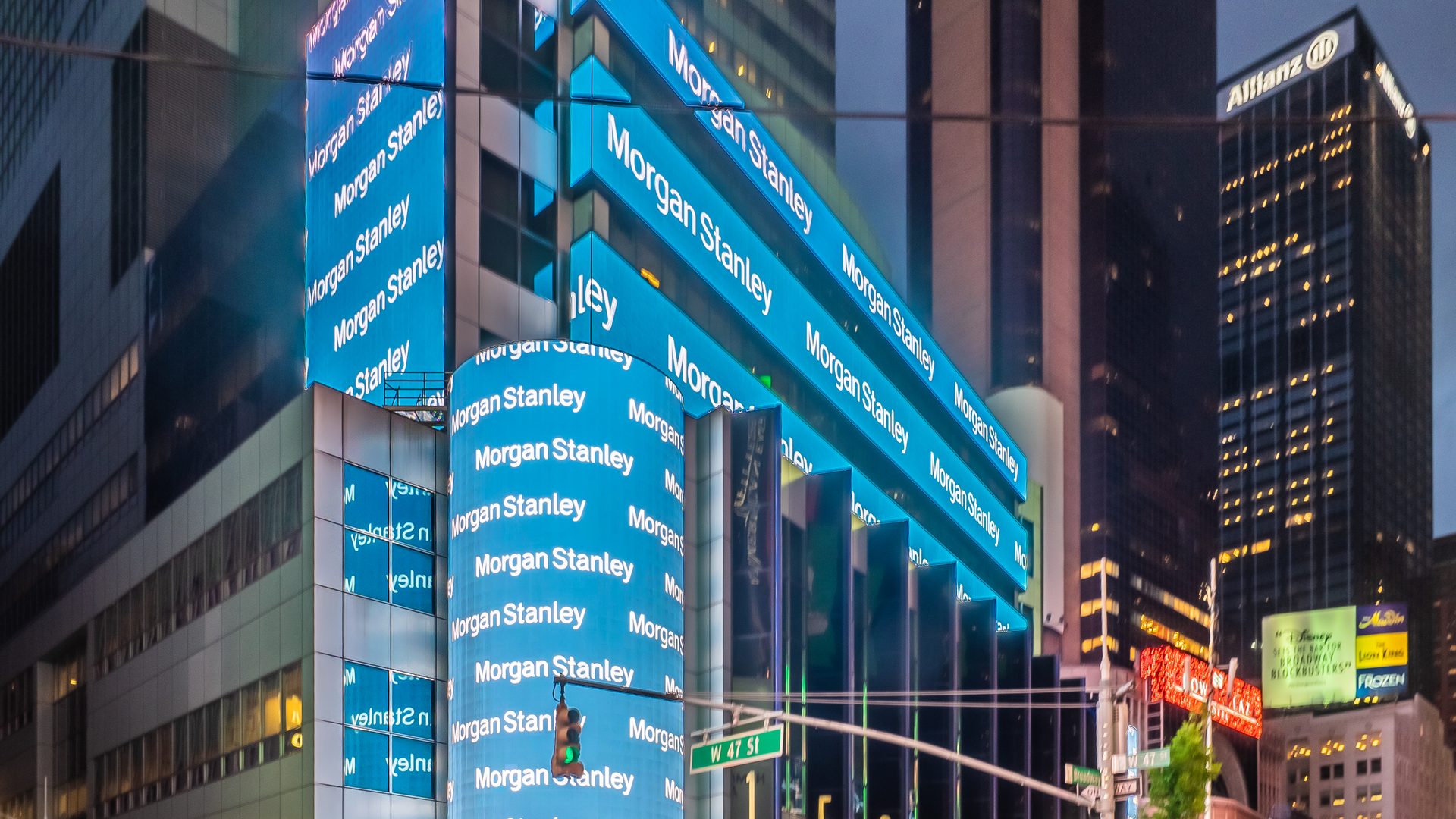
| Morgan Stanley | Blocking third-party agents; says it has not seen rogue agents | Axios, Oct 22 |
| JPMorgan Chase | Restricting agents; read-only data through approved connectors | Axios, Oct 22 |
| Bank of America | Restricting agents | Axios, Oct 22 |
| Citi | Restricting agents | Axios, Oct 22 |
| Wells Fargo | Moving to contain agent risks | Engadget, Oct 22 |
| NatWest, Lloyds, Starling (UK) | Testing their own agents with the FCA | Reuters, Dec 2025 |
JPMorgan had already drawn its line earlier in the month. We covered how JPMorgan blocked external AI agents from acting on retail accounts after Jamie Dimon’s October 13 earnings call.
Rogue AI Agents and the Password Problem
At the center of it all is a shared password. When an agent logs in with your credentials, the bank sees you, not the software. Consequently, it cannot check who is acting or what that agent may do.
A Chase spokesperson told Axios that customers “should not give their usernames and passwords to anyone.” According to Engadget, that includes AI agents.
On the other hand, Morgan Stanley pushed back on the framing. A spokesperson said the bank has not observed “rogue AI agents accessing our platforms.” Still, sources say it has begun blocking third-party agents as a precaution.
Dimon had warned about the same thing on JPMorgan’s earnings call. There could be thousands of rogue agents across financial platforms, he said, as Engadget recapped.
Autonomous AI Agents Banking Risks Regulators Are Naming
The timing is not a coincidence. On October 15, 2026, the Financial Stability Board published its final Sound Practices for Responsible Adoption of AI. The report sets out 12 practices for banks and other financial firms.
Sound Practice 10 calls for human oversight matched to the materiality, risk and autonomy of each use. In higher-risk cases, Forkast reports, firms should set triggers that require human approval before an agent executes a transaction. The FSB also dropped the phrase “synthetic employees” from its June draft.
British regulators raised similar flags earlier. The FCA’s Jessica Rusu told Reuters that agentic AI introduces new risks, mainly because it acts at speed. Likewise, Deloitte’s Suchitra Nair warned about many agents reacting to one market signal. They could move deposits fast enough to speed up a bank run.
AI Agents in Bank Accounts: Who Pays When One Gets It Wrong
Liability is the part most users have not thought about. Engadget points to the US Electronic Fund Transfer Act on this question.
If you give an agent your login and it makes a bad transfer, the bank may treat that as your own voluntary action. In that case, getting the money back is unlikely, according to Engadget.
That said, few AI-caused financial incidents have been reported so far. The risk is real, but the damage count remains small for now.
What Autonomous AI Agents Banking Risks Mean for You
Most banks seem to be heading for a middle ground rather than a total ban. According to Axios, many have authorized or are moving toward read-only access, the same kind already given to apps like Quicken.
In practice, that means an agent could see your balance and transactions but not move money. Banks are also planning a “day after” response to secure or restore customer access quickly if something goes wrong.
For now, the safe habit is simple. Do not paste your bank password into any AI assistant. Instead, use the bank’s own app or an approved read-only connection. Executives admit customers will want these agents, so expect official options to arrive.
Want More on Autonomous AI Agents Banking Risks?
Curious how developers build agents with proper permissions? Start with our guide to the top agentic AI frameworks for building AI agents. Then see how a Meta Muse hallucination slipped into a real Gmail message.
Frequently Asked Questions
What are the autonomous AI agents banking risks?
The main risks are agents acting beyond user instructions, banks being unable to verify which agent is logged in, and money moved by mistake. Regulators also worry about many agents reacting at once.
Which banks are blocking AI agents?
Morgan Stanley has begun blocking third-party agents, according to Axios. JPMorgan, Bank of America and Citi are restricting them, while Wells Fargo is working to contain agent risks.
Are AI agents accessing financial accounts without permission?
Without bank permission, yes. Axios reports that agents often log in with the customer’s own credentials, which most banks forbid. Some also appear to act beyond what users asked.
What are rogue AI agents?
Put simply, rogue AI agents are agents that take actions their users did not request. Jamie Dimon warned there could be thousands of them across financial platforms.
Can I get my money back if an AI agent makes a mistake?
Probably not. Engadget cites the Electronic Fund Transfer Act here. A transfer by an agent you gave your login to may count as your own voluntary action.
What did the Financial Stability Board say about AI agents?
Its October 15, 2026 report lists 12 sound practices. In addition, it calls for human oversight scaled to each use’s risk and autonomy, including approval triggers before agents execute transactions.
Sources
Axios via Yahoo Finance (October 22, 2026), Engadget (October 22, 2026), Decrypt (October 22, 2026), Financial Stability Board (October 15, 2026), Forkast (October 15, 2026), Reuters via Yahoo Finance (December 17, 2025). *Photos: Morgan Stanley Headquarters by Ajay Suresh, CC BY 2.0, cropped and resized; Bank of America branch in NYC by ishmael daro, CC BY 2.0, cropped and resized.*