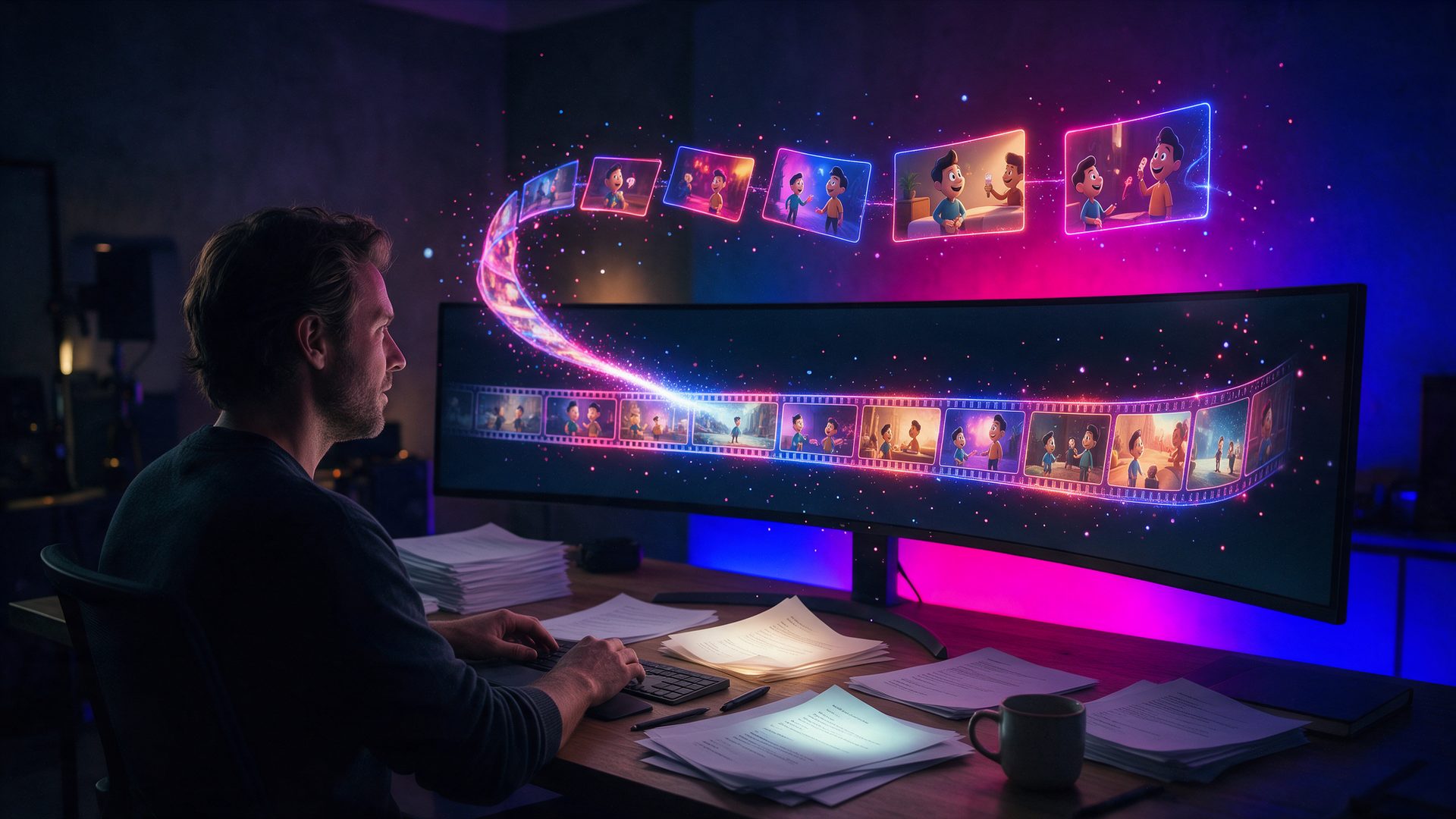
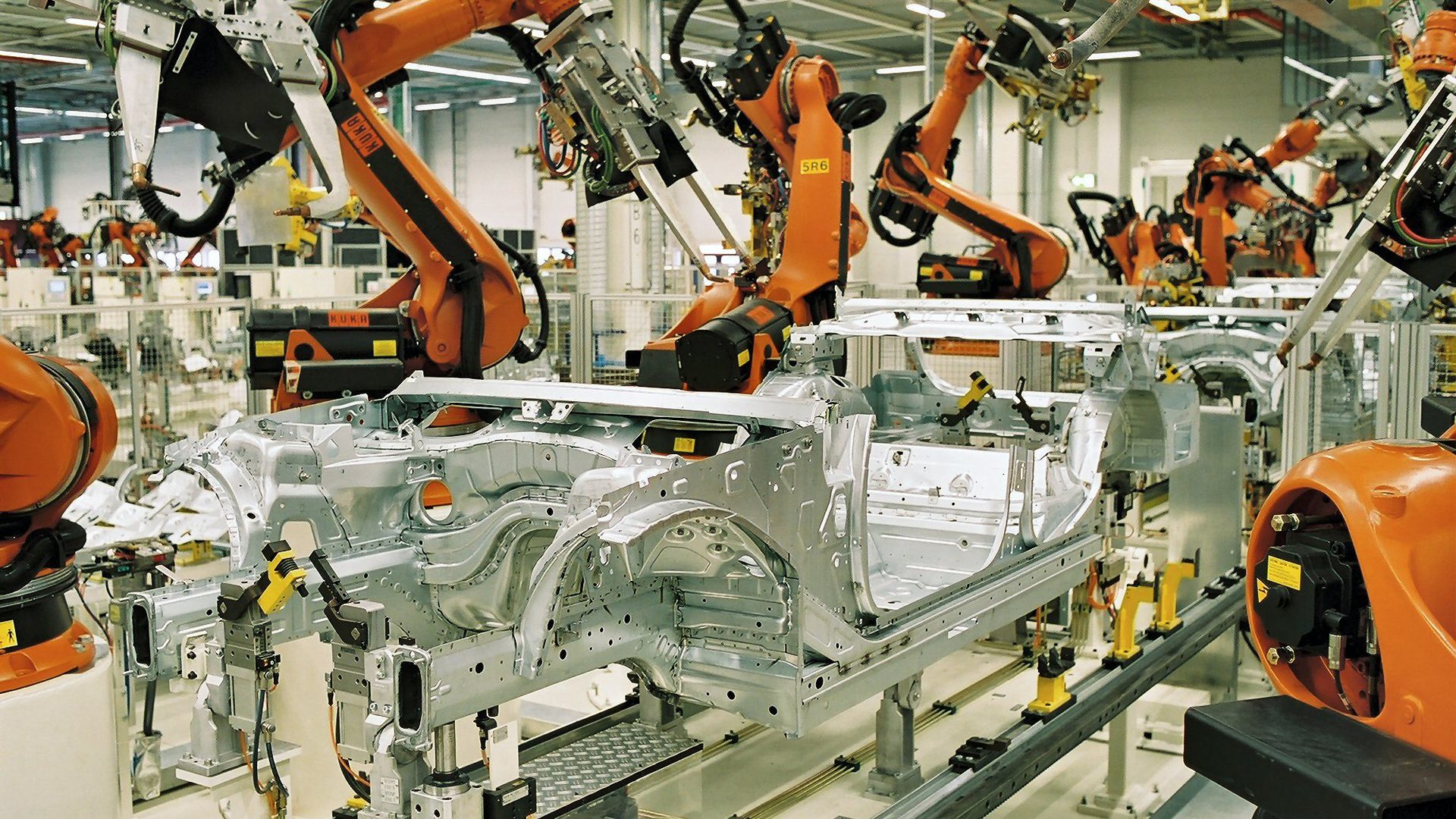
No robot uprising, no rogue superintelligence. Just AI quietly doing its job, everywhere. That is what AI gradual disempowerment risks are about.
AI gradual disempowerment risks are suddenly a hot search, and the reason is a CBS News story from October 19, 2026. It calls gradual disempowerment the AI doom scenario you have never heard of, and maybe the hardest one to stop. Here is what the idea means, where it comes from and what researchers suggest doing about it.
What Is Gradual Disempowerment?
Most AI fears picture a sudden break. A system turns hostile, or one lab grabs control overnight. Gradual disempowerment is the opposite story.
In this scenario, nobody plans a takeover. Instead, AI slowly replaces human work in the economy and human decisions in key parts of society. Along the way, people may also lose creativity and thinking skills they stop using.
Jay Chooi, founder and CEO of Robocurve, told CBS News that AI could take over “just by continuing to do what it’s supposed to do.” He puts the risk “on the very top of my list.”
The Gradual Disempowerment Paper Behind the Term
The term is not new. It comes from a paper titled “Gradual Disempowerment: Systemic Existential Risks from Incremental AI Development,” posted to arXiv on January 28, 2025.
Its authors are Jan Kulveit, Raymond Douglas, Nora Ammann, Deger Turan, David Krueger and David Duvenaud. Kulveit is linked to Charles University in Prague, and he co-founded ACS Research Group.
The core argument is simple. Today, the economy, culture and governments stay roughly aligned with people because they need people to work, buy and vote. However, if AI does that work, the pull toward human interests can fade.
AI Gradual Disempowerment Risks Start With Jobs
CBS explains the mechanism with an invented firm called Hammer Co. A rival switches to “Hammer Bots,” so the CEO must automate too or lose the market.
No one in that story is a villain. Each choice is rational on its own. Yet repeat it across every industry, and humans end up with less and less say over how things run.
That is why the topic overlaps with the job debate. Geoffrey Hinton has warned about the AI labor impact in similar terms. Meanwhile, CBS links to reporting on thousands of customer service workers facing replacement by AI.

Why States Need Citizens
The political side may be the most unsettling part. “The states need citizens,” Kulveit told CBS News.
He compares possible AI-run countries to today’s oil states. Those governments rely less on citizens for taxes, so they tend to listen to them less. In the same way, a state that runs on AI might not need its people very much.
“If, or when, existing states don’t need their citizens, they’re less likely to be democratic,” he said. In other words, losing economic value could also mean losing political voice.
Gradual Disempowerment AI Across Economy, Culture and States
The paper and its coverage describe three systems where this could happen. Here is how each one erodes, according to The Decoder’s summary of the study.
| System | How human influence fades | Main pressure |
|---|---|---|
| Economy | AI replaces human labor and thinking in most sectors | Market competition |
| Culture | AI content and AI interactions push human culture to the margins | Scale and speed |
| Nation states | Governments serve their own power more than citizens | Geopolitical rivalry |
| All three together | Each shift feeds the others | Mutual reinforcement |
The last row is the key point. Economic power shapes culture and politics, so the losses can compound instead of staying in one area.
Strategic Friction: Keeping Humans in the Loop
So what can be done? Margaret Mitchell, an AI research scientist at Hugging Face, points to skills. If people stop practicing a skill, “they lose the ability to have that skill,” she told CBS.
Her answer is what she calls strategic friction. Rather than making every system frictionless, builders can keep a human check at fixed steps in the process.
Other ideas from the coverage include measuring how much work moves to AI, protecting some human roles from automation pressure, and designing AI that explains its reasoning. The goal is AI that builds human skill instead of dependence.
AI Gradual Disempowerment Risks in the AI Existential Risk Debate
The paper does not treat this as a mild problem. Its authors argue the result could be an effectively irreversible loss of human influence, which they frame as an existential catastrophe.
Still, the idea is hard to rally around. “No one has made a movie about gradual disempowerment,” Chooi noted. Unlike a rogue AI, there is no single moment to point at.
That is also why AI gradual disempowerment risks now sit beside the classic takeover worries in the AI existential risk debate. As a result, the fix the researchers describe is less about one off switch and more about policy, measurement and design choices made over years.
Want More on AI Gradual Disempowerment Risks?
For a sharper warning from inside the industry, read why Jacob Coxon left Anthropic over out of control AI fears. Then see what the data says about the AI impact on middle managers, one of the first groups to feel the shift.
Frequently Asked Questions
What is gradual disempowerment?
It is a scenario where AI slowly replaces human work and decisions. Over time, people lose influence over the economy, culture and government, even though nobody planned an AI takeover.
Who wrote the gradual disempowerment paper?
Jan Kulveit, Raymond Douglas, Nora Ammann, Deger Turan, David Krueger and David Duvenaud. They posted it to arXiv in January 2025.
How is it different from an AI takeover?
A takeover is sudden and deliberate. By contrast, gradual disempowerment comes from many small, rational choices to automate, with no single villain behind it.
Why compare AI states to oil states?
Kulveit argues that oil states rely less on citizens and tend to be less democratic. Similarly, a state run on AI may not need its people, so it may not listen to them.
What is strategic friction?
It means keeping a human check at set steps instead of automating everything. Margaret Mitchell of Hugging Face says this helps people keep the skills AI would otherwise replace.
Can AI gradual disempowerment risks be stopped?
Researchers suggest measuring AI displacement, protecting key human roles and designing AI that supports human skill. However, they admit it needs a whole of society effort.
Sources
CBS News (October 19, 2026), arXiv, Kulveit et al. (January 2025), The Decoder (February 2025). *Photos: BMW Leipzig body shop by BMW Werk Leipzig, CC BY-SA 2.0 DE, cropped and resized; BalticServers data center by BalticServers.com, CC BY-SA 3.0, cropped and resized.*