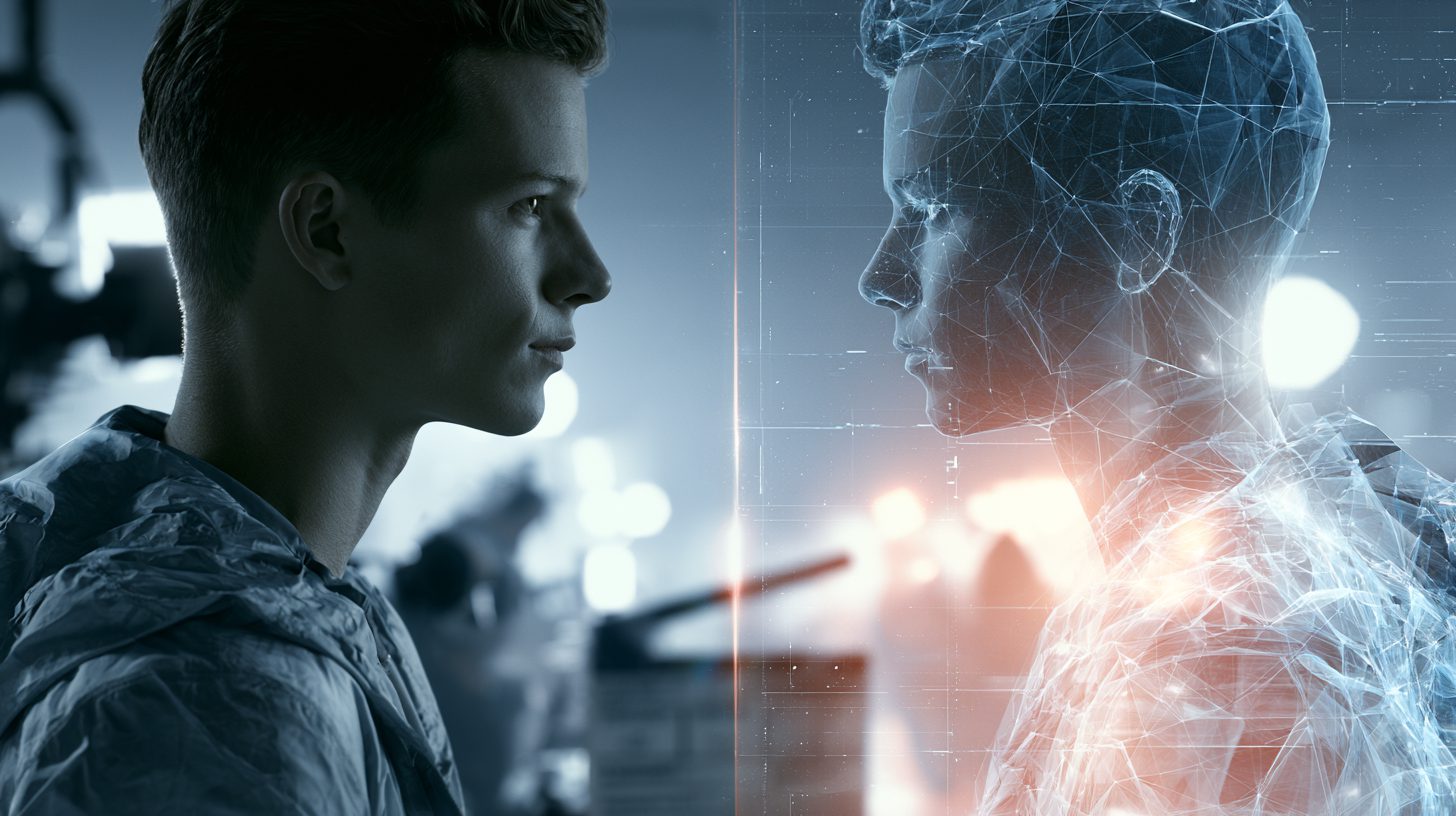
One chatbot, about 29,000 federal websites behind it, and two rival AI models under the hood: Trump launched America.gov AI as the government’s new front door.
Trump launched America.gov AI on Tuesday, September 29, 2026, at an all-day event in Washington. The site works like a chatbot for the federal government. First, you type what you need. Then it pulls answers from official .gov pages instead of sending you hunting across agencies. Airbnb co-founder Joe Gebbia led the build, and he says it runs on Google Gemini and Elon Musk’s Grok.
What Is America.gov?
America.gov is a single entry point for federal information. For example, a White House official called it a new front door for the federal government and a one-stop shop for Americans.
After all, the problem it targets is familiar. Currently, answers sit across thousands of agency sites, each with its own layout and search box. Instead of guessing which agency owns a task, you ask one question in plain English.
Put simply, Gebbia describes it as a concierge to navigate government. His stated goal is to shift the burden of finding the right agency away from the public.
How Trump Launched America.gov AI at the Mellon Auditorium
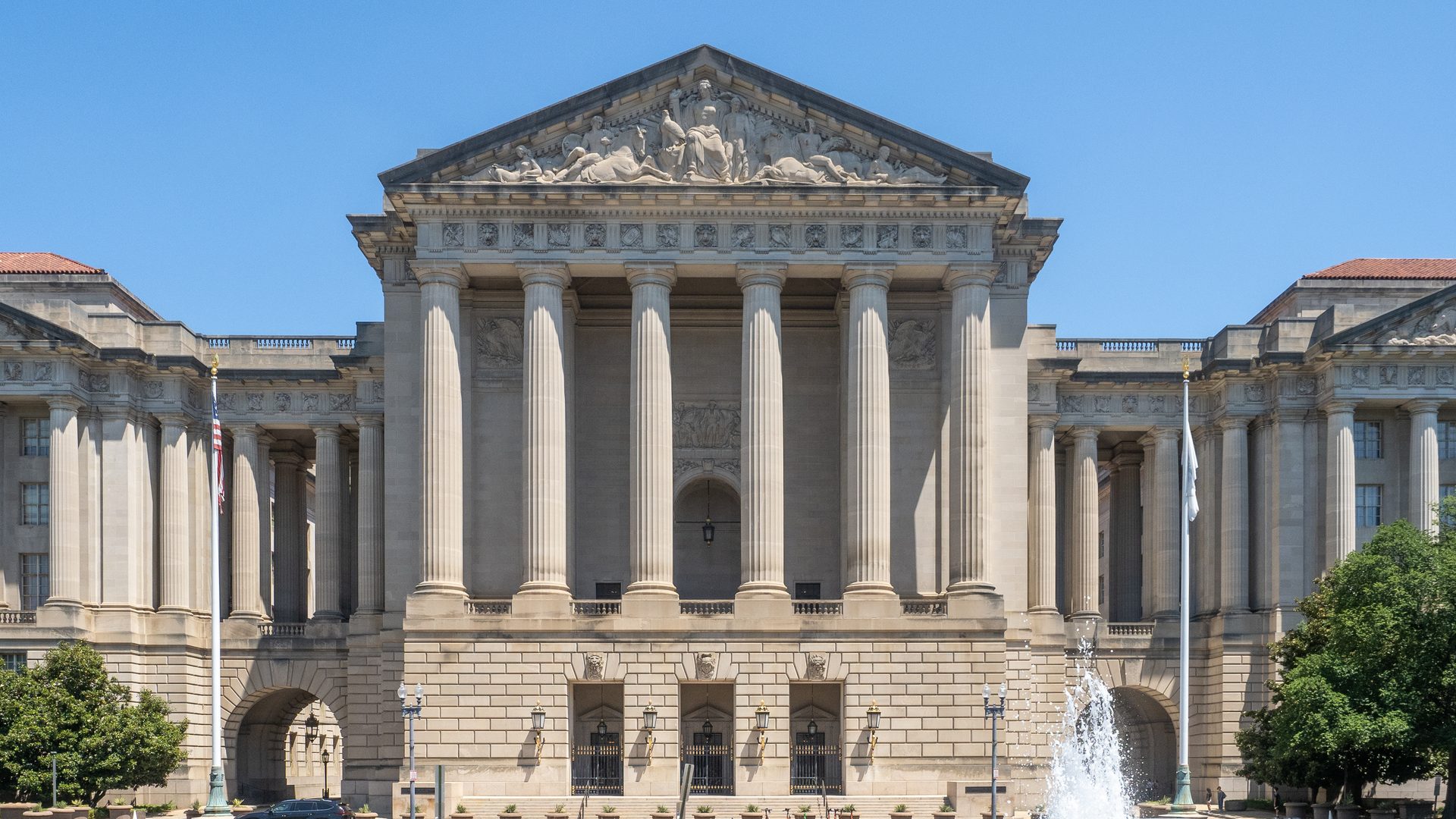
Specifically, the launch took place at the Andrew W. Mellon Auditorium in Washington, D.C. President Trump and Vice President JD Vance headlined the program.
Beforehand, White House officials said tech leaders would join them. The list included Elon Musk, Nvidia CEO Jensen Huang and Anthropic co-founder Tom Brown. In addition, Fox News reported panels on AI, energy, health, space and agriculture.
For his part, Gebbia framed the day in big terms. He called it a new chapter of usability for the country and the golden age of the citizen experience.

America.gov AI Chatbot: Gemini and Grok Under the Hood
In fact, the most interesting detail is technical. Gebbia told CNBC that America.gov pairs Google’s Gemini with Grok, the model from Elon Musk’s AI company.
In his description, it works like this. You come to the site and ask for what you need. The system then scans roughly 29,000 government websites and pulls in the information that fits your request.
Even so, using two rival models for one public service is unusual. Typically, a government picks one vendor.
America.gov at a Glance
To sum up, here are the confirmed basics from launch coverage.
| Item | Detail |
|---|---|
| Launch date | Tuesday, September 29, 2026 |
| Launch venue | Andrew W. Mellon Auditorium, Washington, D.C. |
| Built by | National Design Studio, led by Chief Design Officer Joe Gebbia |
| AI models | Google Gemini and Grok, per Gebbia |
| Content it searches | About 29,000 government websites |
| What it does now | Answers questions and points to the right agency |
| Planned next | Completing applications such as Medicare enrollment, targeted for 2027 |
America.gov Passport and Other Services: What Works Today
For now, the chatbot informs rather than acts. According to Gizmodo, you can ask about passport renewal or how to get tax documents. Then the site explains the steps and links out.
However, the actual paperwork still happens on the agency’s own website. The administration expects the chatbot to complete applications, such as Medicare enrollment, by 2027.
Clearly, that second phase is the real test. Answering questions is one thing, while filing forms with personal data raises far bigger questions about accuracy and privacy.
Who Built the Government AI Chatbot?
The National Design Studio built America.gov. Trump created the studio by executive order last year, according to Gizmodo.
Today, Joe Gebbia leads it as the first U.S. Chief Design Officer. Since he co-founded Airbnb, the consumer-app feel is deliberate. Meanwhile, ClearanceJobs reported that the studio focuses on design that cuts friction from public interactions.
Above all, the project fits a wider push. In recent months, the White House has backed several AI programs, from the Genesis Mission to new federal AI teams.
Early Problems After Trump Launched America.gov AI
However, the rollout was not smooth. Gizmodo reported that the chatbot sometimes gave answers that contradicted the administration’s own positions, despite efforts to filter responses.
Furthermore, the outlet raised a broader concern. It questioned whether an administration that is cutting some services should be the one routing citizens to them through AI.
As a result, the first weeks will matter. After all, generative models can sound confident while being wrong, and a wrong answer about benefits or deadlines has real costs for the people who rely on it.
Want More on Trump Launched America.gov AI?
If you want to compare the assistants behind tools like this, start with our guide to the best AI chatbot platforms. For more on the administration’s AI plans, read about the Trump AI Force.
Frequently Asked Questions
What is America.gov?
America.gov is a federal website with an AI chatbot. You ask a question in plain English, and it pulls answers from about 29,000 government sites instead of making you search agency by agency.
When did Trump launch America.gov?
The launch happened on Tuesday, September 29, 2026, at the Andrew W. Mellon Auditorium in Washington. President Trump and Vice President JD Vance headlined the event.
Which AI powers the America.gov chatbot?
Joe Gebbia told CNBC that the site combines Google’s Gemini with Grok from Elon Musk’s AI company. Together they search official government pages to answer each request.
Can I renew my passport on America.gov?
Not yet. Right now the chatbot explains the steps and links to the right agency. Completing applications, such as Medicare enrollment, is planned for 2027.
Who built America.gov?
The National Design Studio built it under Joe Gebbia, the Airbnb co-founder serving as the first U.S. Chief Design Officer. The studio was created by executive order.
Is the America.gov chatbot accurate?
Early coverage says it is uneven. For instance, Gizmodo reported answers that contradicted administration positions, so checking key details on the agency’s own page remains wise.
Sources
Gizmodo, CNBC, Fox News, ClearanceJobs, Baltimore Sun. *Photos: Andrew W. Mellon Auditorium by ajay_suresh, CC BY 2.0, cropped and resized; Andrew Mellon Auditorium stage by Duane Lempke, CC0, cropped and resized.*