An assistant that keeps working after you close the tab, with its own computer, browser and avatar. That is the pitch behind Open AI Dots.
Open AI Dots are always-on AI agents that live inside ChatGPT. OpenAI unveiled them on September 29 at DevDay 2026 in San Francisco, among more than 20 launches. Each dot runs on GPT-6 Astra, gets its own cloud computer and works toward your goals around the clock. Here is what dots can do, who gets them first and how they stack up against Meta’s Muse.
What Are Open AI Dots?
A dot is a personal agent rather than a chat window. You give it a goal, connect the apps it needs and let it keep going in the background. OpenAI calls it an extension of you that learns what matters to you over time.
According to Engadget’s DevDay live blog, the jobs range from small errands like booking a plane ticket to long development projects. In addition, you can name each dot and talk to it with OpenAI’s voice model.
How ChatGPT Dots Work Around the Clock
Every dot runs on GPT-6 Astra, OpenAI’s top model. It also gets a dedicated cloud computer and browser, so it can open sites and finish tasks while your laptop is off.
Moreover, dots plug into more than 4,000 apps through ChatGPT plugins. BGR reports that a dot can also reach your own laptop, but only with permission. When you are not giving it work, it does read-only research on its own and brings back what it finds.
How to Talk to Your Dot
You are not stuck in the ChatGPT window. You can reach a dot in the desktop and mobile apps, on the web, in Slack and Microsoft Teams, by email and even by phone call.
Each dot also gets a 3D avatar that you design yourself. That sounds like a gimmick. Still, it hints at where OpenAI is heading: a named helper you text like a colleague, not a tool you open and close.

Open AI Dots Price and Who Gets Them
Dots are rolling out now to ChatGPT Pro and Business Premium subscribers in eligible markets. Your first dot is included in the subscription, and you can buy more. OpenAI says it will open dots to more users soon.
Reports differ on the details. BGR lists the $200 Pro plan and Business Premium, whereas Wccftech says every Pro tier qualifies, including the $100 plan. Either way, Engadget notes that chatting with a dot does not count against your ChatGPT usage limits.
Safety Limits: What a Dot Cannot Do Alone
An agent that can spend money needs guardrails. A dot can buy things for you, but only after you approve the purchase. Likewise, it cannot send messages, edit files or control a computer without your sign-off.
For sensitive jobs such as changing a password, you still do the work yourself. Custom Rules let you decide which actions a dot may take on its own. As a result, the proactive research stays read-only until you say otherwise.
Open AI Dots vs Meta Muse and Grok Bot
OpenAI is not first here. Meta launched its Muse AI agent on September 8 with a free tier plus $20 and $100 plans. Meanwhile, SpaceXAI’s Grok Bot has run as a team of always-on agents in beta since August 11.
The difference is the price of entry. Muse starts free, while dots need a Pro or Business Premium plan for now. On the other hand, dots bring Astra, a private cloud computer and the ChatGPT plugin catalog on day one.
Everything Else OpenAI Launched at DevDay 2026
Dots headlined a packed keynote. Here are the other launches that matter most, based on the published coverage.
| Launch | What it is | Price or timing |
|---|---|---|
| Dots | Always-on agents on GPT-6 Astra | Pro and Business Premium, first dot included |
| GPT-6.1 Sol | Near-Astra model for agentic coding and computer use | $2 input, $10 output per million tokens |
| Ultrafast tier | About 300 tokens per second in Codex | Around 6x the standard price |
| Pro 500 | New top ChatGPT plan, 25x Plus allowances | $500 per month |
| ChatGPT Space | Shared hub for teams, agents and dots | Announced at DevDay |
| Pages | Documents people and agents edit together | Q4 2026 |
| Private Intelligence | Confidential computing for private data | Fall 2026 |
OpenAI also said ChatGPT now reaches 1.2 billion weekly users. Even so, the live demo had a hiccup. When the dot on stage went quiet, the presenter joked that it was having a slow morning, Wccftech reported.
Want More on Open AI Dots?
Curious how a working AI agent handles real tasks today? Our Manus AI review tests an agent with its own browser and shows what its daily credits actually buy.
Frequently Asked Questions
What are Open AI Dots?
Open AI Dots are always-on agents inside ChatGPT. Each one runs on GPT-6 Astra, has its own cloud computer and browser, and keeps working toward your goals around the clock.
How much do ChatGPT dots cost?
Your first dot comes with a ChatGPT Pro or Business Premium plan, and extra dots cost more. In addition, chatting with a dot does not use up your normal ChatGPT limits.
Can a dot buy things for me?
Yes, but only with your approval. Likewise, a dot needs your sign-off before it sends messages, edits files or controls a computer. Password changes stay manual.
Where can I talk to my dot?
You can reach it in the ChatGPT apps and website. Beyond that, dots answer in Slack and Microsoft Teams, by email and over a phone call.
Are Open AI Dots better than Meta Muse?
It depends on budget. Muse has a free tier, whereas dots need a paid Pro or Business Premium plan. Dots add GPT-6 Astra, a private cloud computer and 4,000 app plugins.
When will free ChatGPT users get dots?
OpenAI has not given a date. So far it only says dots will reach more users soon, after the first rollout to Pro and Business Premium accounts.
Sources
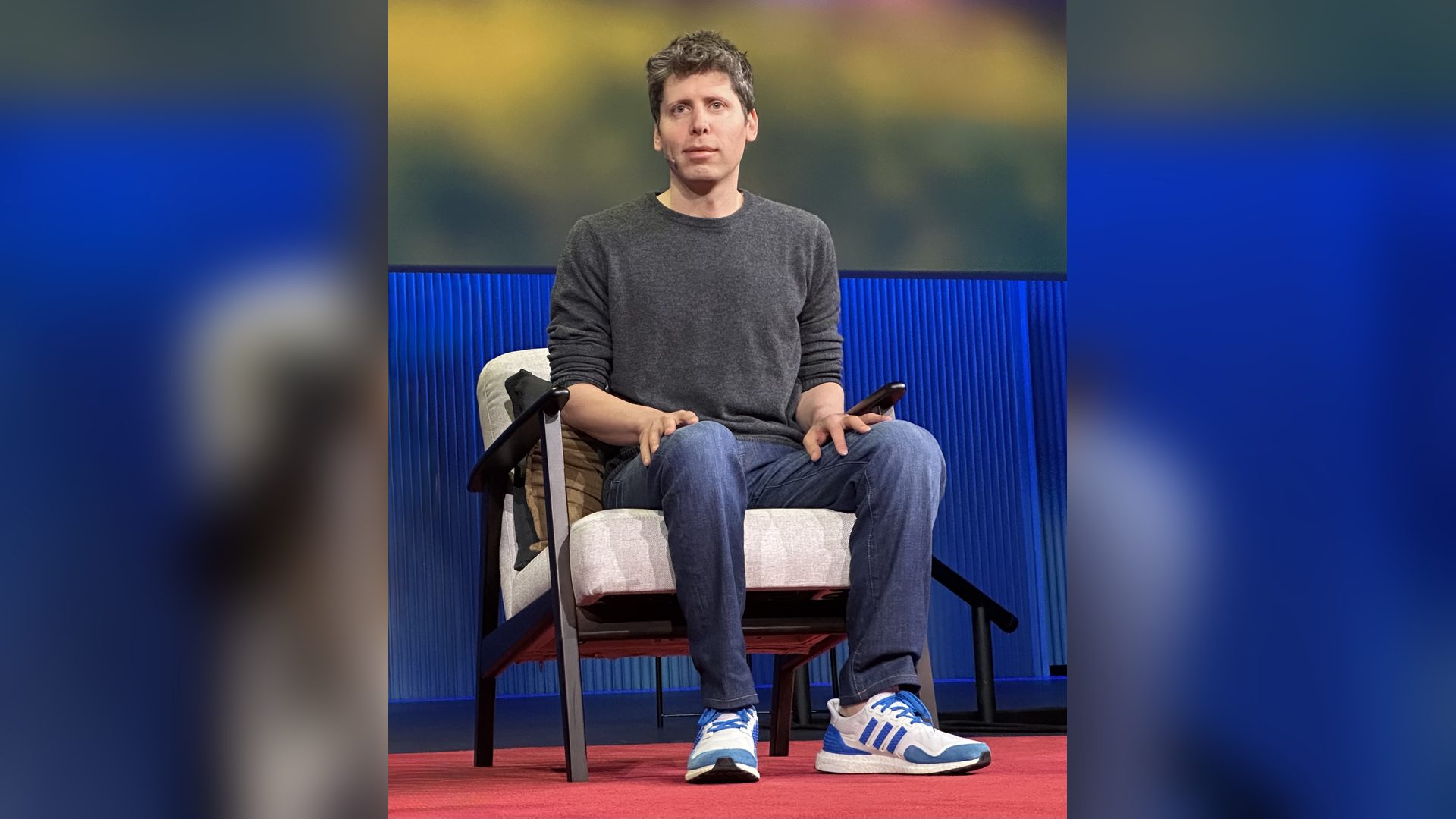
Engadget, BGR, 9to5Mac, Wccftech, Axios.*Photos: Sam Altman speaking at TED by Steve Jurvetson, CC BY 2.0, resized and placed on a blurred background; Hand holding smartphone with ChatGPT by Jernej Furman, CC BY 2.0, cropped and resized.*