
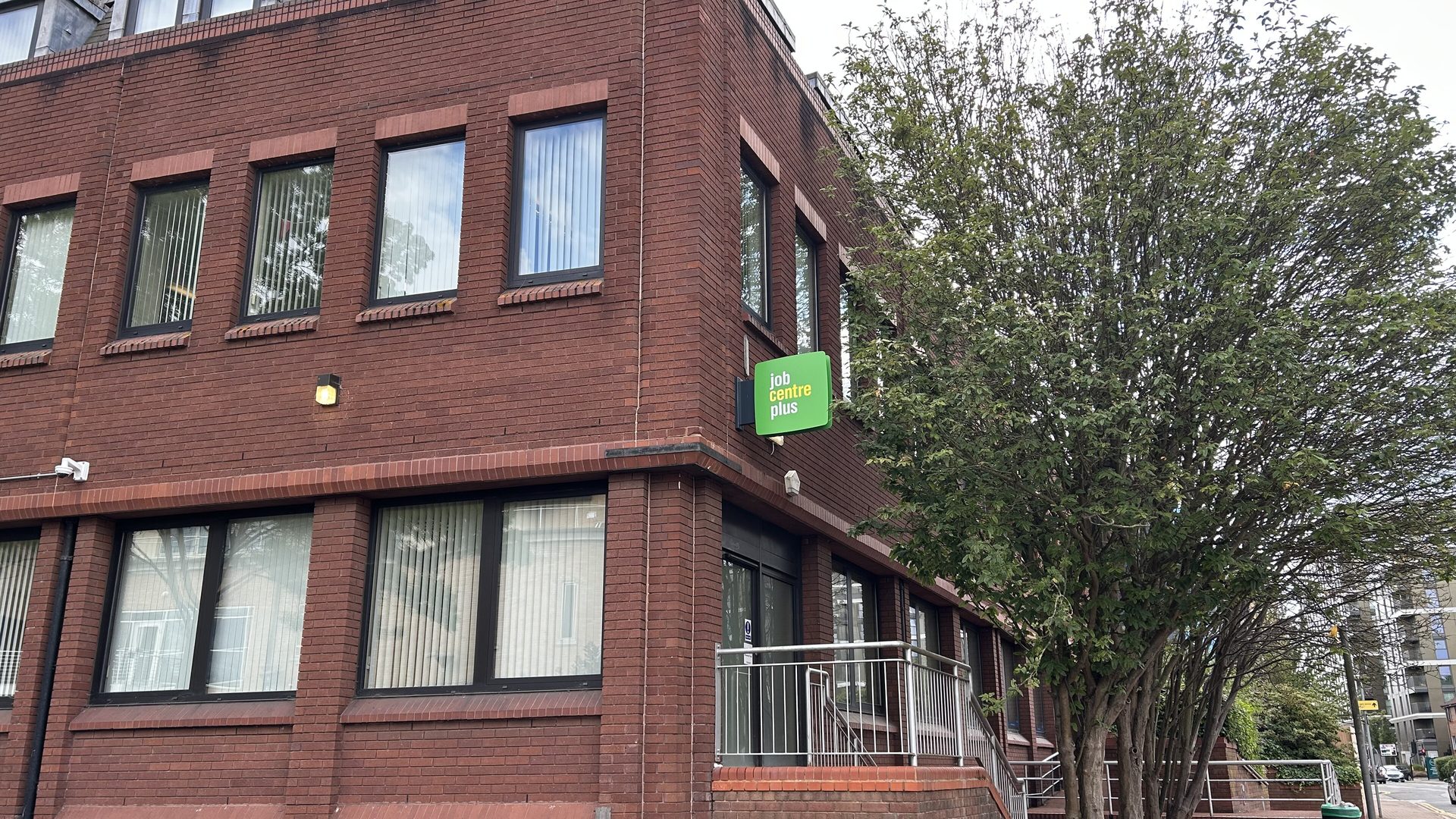
More than a million Universal Credit claims a year, one machine learning model and a letter to Parliament. Inside the DWP targeted case reviews AI trial.
The DWP targeted case reviews AI story broke on Wednesday, November 18, 2026. The Department for Work and Pensions confirmed it is testing a machine learning model to help choose which Universal Credit claims face a Targeted Case Review. Critics, however, warn that earlier DWP algorithms showed bias.
What Are DWP Targeted Case Reviews?
To begin with, a Targeted Case Review (TCR) is a check of an existing Universal Credit claim. The DWP looks again at the claim to find payments that are too high or too low.
The scheme is big. According to the National Audit Office, about 6,000 staff were doing these reviews by March 2025. By then, they had checked 1.15 million claims and saved an estimated £581 million.
Moreover, it keeps growing. Big Brother Watch says more than two million Universal Credit recipients are expected to be reviewed by the end of the decade.
How the DWP Targeted Case Reviews AI Trial Works
The news came in a letter from Dame Sarah Healey, the DWP permanent secretary, to Parliament’s Public Accounts Committee. She described a “limited live test” of a machine learning model.
In short, the model helps agents decide which cases to target for review. According to The Independent, Healey said “human consideration remains central” to the process.
She also listed what the model does not decide. It does not decide whether a review goes ahead, benefit entitlement, payment changes, suspensions or claim closures.
Universal Credit Claim Review: What Gets Checked
So what does a review look like for the claimant? Big Brother Watch says the DWP demands documents from people it selects, often with little explanation. One man told the group the process caused “psychological strain”.
At the same time, the DWP will not say how the new model flags a case. Healey said the criteria must stay confidential to protect the “integrity of the benefit system”.
Even so, the stakes are high. TCRs reassess more than one million claims every year, the department says.

DWP Algorithms: A Short Timeline
Notably, this is not the DWP’s first machine learning tool. Here is how its use of algorithms has grown, based on the reports we read.
| Date | What happened | Source |
|---|---|---|
| May 2022 | A machine learning model starts flagging Universal Credit advance claims | NAO |
| March 2025 | TCRs reach 1.15 million claims reviewed and £581m in estimated savings | NAO |
| July 2025 | DWP publishes fairness analysis of the advances model for the first time | NAO |
| July 9, 2025 | Big Brother Watch publishes its “Suspicion by Design” report | Big Brother Watch |
| October 2025 | NAO reports expected TCR savings of £13.6bn by March 2030 | NAO |
| November 18, 2026 | Healey confirms a live test of machine learning for TCRs | The Independent |
As a result, the new trial extends machine learning from new advance claims to reviews of existing ones.
The Bias Question Behind DWP Targeted Case Reviews AI
That history is exactly what worries critics. In July 2025, the DWP’s own fairness analysis found that older claimants and non-UK nationals were “over referred for review” by the advances model, the NAO says.
Big Brother Watch went further. It said internal documents showed “consistent, statistically significant bias” in that model. “It is wrong to subject millions of innocent people to shadowy automated or algorithmic decisions,” said Jake Hurfurt, its head of research and investigations.
Similarly, Mark Bennett, a law lecturer at the University of Liverpool and the Administrative Fairness Lab, called machine learning a “potential step change” that “comes with clear risks.” He also questioned “the reliability of data used within the machine learning model.”
What the DWP Says About Savings and Staff
On the other side, the DWP points to results. A spokesperson said the review programme has already saved £1.7bn by blocking incorrect Universal Credit payments.
The department expects the anti-fraud drive to save £13bn by the end of the decade. However, research from the Administrative Fairness Lab found that only 21% of reviews find any incorrect payment.
Finally, the spokesperson repeated the key promise. Decisions on cases selected for review “will always be made by a DWP member of staff.” If the trial fails to deliver, Healey said the DWP would “consider alternative options.”
What DWP Targeted Case Reviews AI Means for You
So if you claim Universal Credit, a model may now help pick your claim for review. Still, a person makes the decision. That matters, because you can challenge a decision you think is wrong.
For instance, GOV.UK says you can ask for a mandatory reconsideration of a Universal Credit decision. You usually need to ask within one month of the decision date. Keep copies of every document you send.
Governments are also using AI on the other side of the desk. For example, the HMRC AI chatbot tax rules show how your own AI chats can end up in a tax inquiry.
What our trend tracker saw
We track rising AI searches four times a day. On the morning of November 19, 2026, “dwp targeted case reviews ai” was up 2,100% in our 24-hour window and 80% in the last hour. In Ahrefs, by contrast, “universal credit claim review” already draws about 1,400 searches a month worldwide. So people were looking for this process long before AI entered the picture.
How we reported this
On November 19, 2026 we read The Independent report on Dame Sarah Healey’s letter, the National Audit Office release on DWP fraud and error, the Big Brother Watch report on DWP algorithms and the GOV.UK guidance on mandatory reconsideration. Every number and quote below comes from those sources. We have not seen the letter itself and have not spoken to the DWP. We wrote the draft with AI assistance and Miloš Novaković edited it. How we use AI.
Want More on AI in Welfare?
The UK is not alone. Read how the SASSA grant review AI data matching put 352,000 South African grants under an algorithm.
Frequently Asked Questions
What are DWP targeted case reviews?
They are checks of existing Universal Credit claims to find payments that are too high or too low. By March 2025, the DWP had reviewed 1.15 million claims this way, the NAO says.
Is the DWP using AI for targeted case reviews?
Yes, in a limited live test. Dame Sarah Healey told the Public Accounts Committee that a machine learning model helps agents decide which Universal Credit cases to target for review.
Does AI decide my Universal Credit payments?
No, according to the DWP. In fact, Healey said the model does not decide entitlement, payment changes, suspensions or closures, and a member of staff makes every decision.
Why are critics worried about DWP targeted case reviews AI?
Earlier DWP tools over-referred older claimants and non-UK nationals. Because of this, Big Brother Watch and the Administrative Fairness Lab warn that a new model could repeat that bias.
How much money do the reviews save?
A DWP spokesperson said the programme has saved £1.7bn so far. Meanwhile, the NAO reported expected savings of £13.6bn by March 2030.
Can I challenge a Universal Credit claim review decision?
Yes. GOV.UK says you can ask for a mandatory reconsideration, usually within one month of the decision. Your decision letter explains if different rules apply.
Sources
The Independent (November 18, 2026), National Audit Office (October 22, 2025), Big Brother Watch (July 9, 2025), GOV.UK, Mandatory reconsideration. *Photos: Job Centre Plus, Staines by DanielMichaelPerry, CC0, cropped and resized; Inside Cardiff Jobcentre Plus 2026 by Sleepytimecat, CC BY 4.0, cropped and resized.*