
One report says office hiring is back. The other says it shrank again. Here is what October really tells us about the AI impact on white-collar jobs.
The AI impact on white-collar jobs looked very different in two reports published this week. Government data showed professional and business services adding 70,000 jobs in October. Two days earlier, ADP counted 27,000 jobs lost in the same sector.
October Jobs Report: Two Numbers, Two Stories
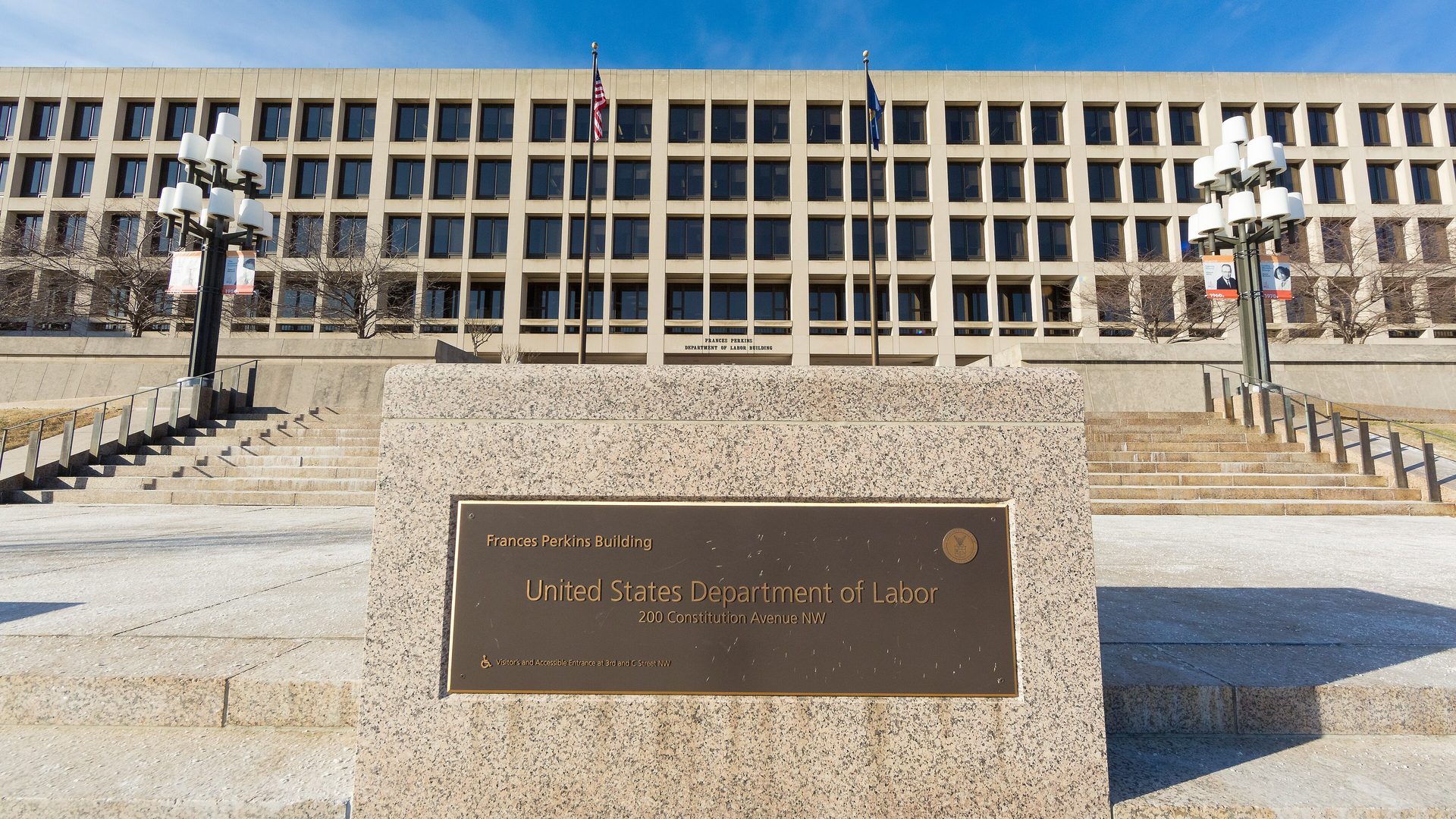
The Labor Department’s report landed on Friday, November 6. Employers added 165,000 jobs in October, about 100,000 more than economists expected, and unemployment fell to 4.1%.
The private payroll firm ADP had published its own count on Wednesday. It found 86,000 new private-sector jobs. However, the two reports split sharply on white-collar work.
| Measure | BLS report (Nov 6) | ADP report (Nov 4) |
|---|---|---|
| Jobs added in October | 165,000 | 86,000 (private only) |
| Professional and business services | +70,000 | -27,000 |
| Trade, transportation and utilities | n/a | +39,000 |
| Education and health services | n/a | +28,000 |
| Leisure and hospitality | n/a | +19,000 |
| Unemployment rate | 4.1% | not measured |
Figures come from Reuters and Fox Business coverage of each release.
AI Impact on White-Collar Jobs in the Government Data
In the official numbers, professional and business services was a bright spot. The sector added 70,000 jobs, and earlier months were revised up. Gains came from temporary help and from management and technical consulting.
Michael Pearce, chief US economist at Oxford Economics, flagged why that matters. He told Reuters that the most AI-exposed sectors, information and finance, “continued to struggle” and have shed jobs on a trend basis.
Professional services also has high AI adoption, Pearce noted. Even so, it “bucked that trend” in October. You can read the full release on the Bureau of Labor Statistics website.
ADP Data Points to AI White Collar Jobs Displacement
ADP told a colder story. Professional and business services cut 27,000 jobs, the largest drop of any sector in its October report, Fox Business reported.
According to BigGo Finance, it was the third straight monthly decline for the sector. A Goldman Sachs note said the key takeaway was not the headline number. Instead, it was the continued contraction in white-collar roles.
Analysts quoted in that summary link the slide to companies using AI to trim entry-level and back-office hiring. Meanwhile, in-person service jobs kept growing.

Why the Reports Disagree on the AI Impact on White-Collar Jobs
The two surveys measure different things. BLS counts payrolls across the whole economy, including government. ADP tracks private employers only, using its own payroll data.
Timing differs too. A single month is noisy, and BLS often revises earlier months, as it did here.
So neither number settles the debate alone. Still, both point the same way on one detail: the sectors most exposed to AI, such as information and finance, are not where hiring is growing.
Entry Level White Collar Jobs Feel the Pressure First
Most economists agree that AI has not yet caused major job losses across the economy, Reuters noted. However, that does not mean the effect is absent.
The pressure shows up in hiring, not in mass layoffs. Layoffs remain low, yet people who lose a job stay unemployed longer than at any time in five years. The median spell is 11.9 weeks.
For graduates and junior staff, that is the real risk. Fewer openings at the bottom of the ladder means a slower start, even if senior roles look stable. We saw a similar pattern in AI changing UK STEM jobs.
What the AI Impact on White-Collar Jobs Means for You
If you work in finance, media, tech or admin, treat these reports as an early warning, not a verdict. Above all, check which of your weekly tasks an AI tool could already do.
Then move toward the parts it cannot do well: judgment, client contact and checking AI output. A short, recognised course can prove that skill to an employer. Our list of the best AI certifications for working professionals compares the options.
What our trend tracker saw
We track rising AI searches four times a day. On the morning of November 7, 2026, the phrase “ai impact on white-collar jobs” was up 4,400% over 24 hours, the biggest jump on our list. Searches for “october jobs report” and “labor department jobs report today” rose at the same time, so readers clearly wanted the jobs data explained through an AI lens.
How we reported this
We read Reuters’ summary of the Bureau of Labor Statistics report and Fox Business’ coverage of the ADP report on November 7, 2026, and we link both original releases. In addition, BigGo Finance supplied the Goldman Sachs reading. The draft was written with AI assistance, then every figure was checked against its source and edited by Miloš Novaković. How we use AI.
Want More on AI and Jobs?
For the layoff side of the story, read our report on AI technology job cuts in 2026. For the wider picture, see our guide on whether AI is replacing human jobs around the world.
Frequently Asked Questions
What is the AI impact on white-collar jobs right now?
So far it shows up as slower hiring, not mass layoffs. In October, information and finance kept losing jobs, while professional services grew in government data but shrank in ADP’s count.
What did the October jobs report show?
Employers added 165,000 jobs and unemployment fell to 4.1%, according to the Labor Department. Professional and business services added 70,000 of those jobs, with upward revisions to earlier months.
Why did ADP show white-collar job losses?
ADP counts private payrolls only. Its October report found professional and business services down 27,000, a third straight monthly drop, which Goldman Sachs called the key takeaway.
Which white-collar jobs are most exposed to AI?
Oxford Economics names information and finance as the most AI-exposed sectors. In addition, analysts point to entry-level and back-office roles, where companies are hiring fewer people.
What are white collar jobs?
These are office and professional roles, such as accounting, law, marketing, consulting, finance and administration. Unlike blue-collar work, they rely mostly on desk-based, knowledge work.
How can workers prepare for AI at work?
Start by listing which tasks an AI tool already handles. Next, build skills around judgment and checking AI output, and consider a recognised AI certification to show employers you can use these tools.
Sources
Bureau of Labor Statistics, Employment Situation, ADP National Employment Report, Reuters via Yahoo Finance (November 6, 2026), Fox Business (November 4, 2026), BigGo Finance (November 4, 2026). *Photos: Frances Perkins Building of the United States Department of Labor by US Department of Labor, CC BY 2.0, cropped and resized; Helloquence-61189 by helloquence, CC0, cropped and resized.*