
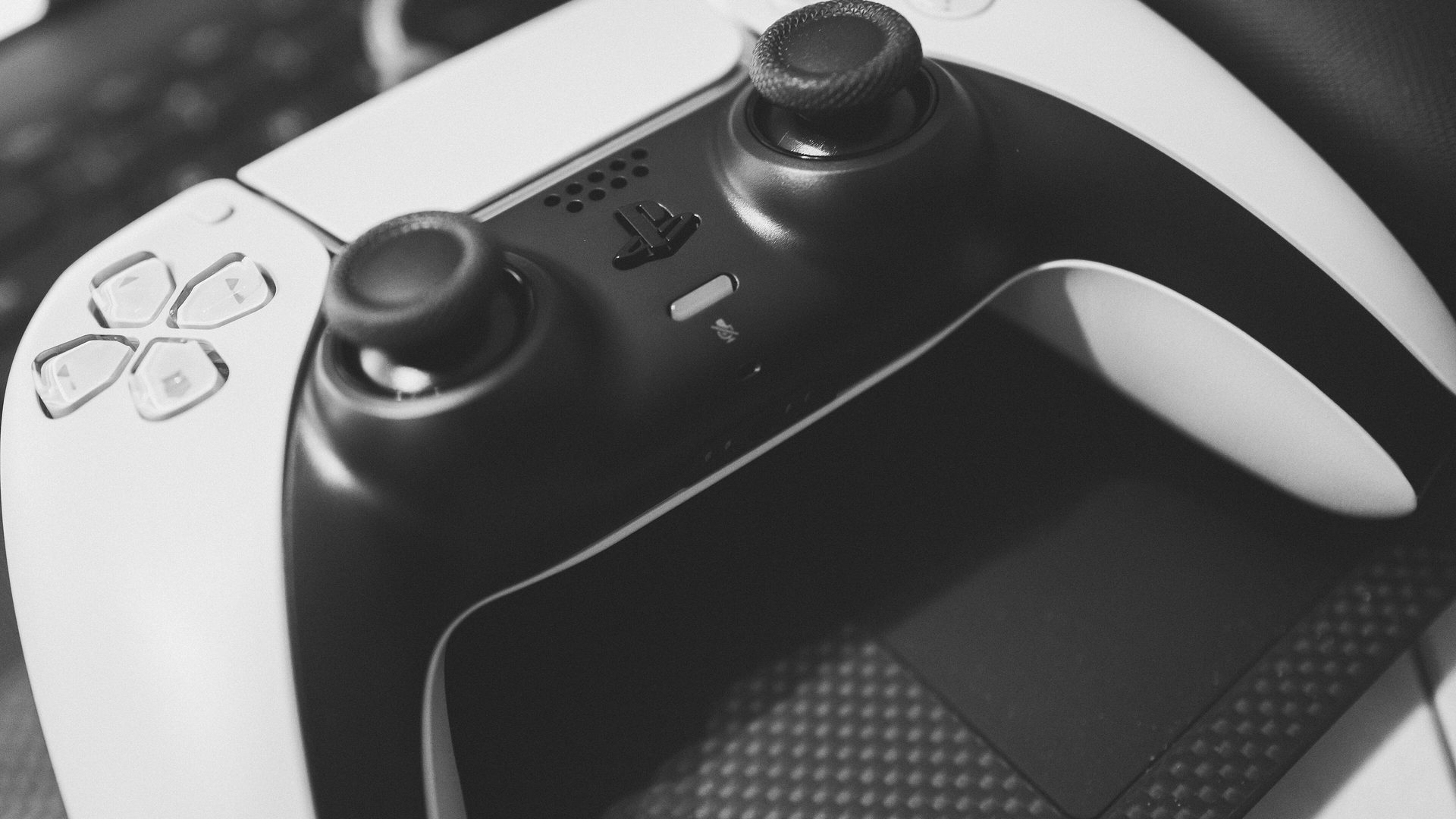
That boss you beat with one cheap trick may stop falling for it: the PlayStation AI enemy behavior patent describes enemies that study how you play.
The PlayStation AI enemy behavior patent went public on October 1, 2026. Sony Interactive Entertainment filed it in March 2025, and the US patent office has now published the application. It describes a machine learning model that watches your fights with computer characters. Then it rewrites those characters around your habits. Here is what the filing says, what it leaves open, and why it is not a product yet.
What Is the PlayStation AI Enemy Behavior Patent?
The application carries the number US 2026/0295429 A1. According to the patent tracker Patentlyze, Sony Interactive Entertainment Inc. filed it on March 31, 2025. It lists four inventors: Adrian Harris, Elizabeth Ruth Juenger, Crystal Fiel and Bethany Tinklenberg.
In short, the filing covers non-player characters, or NPCs. Those are the enemies, allies and bystanders that the game controls. Today most of them follow a script written before launch. However, Sony wants that script to change while you play.
The idea got wide attention on October 6. That day Wccftech reported that FromSoftware-style bosses could stop being learnable.
How the Sony AI Patent Works, Step by Step
Patentlyze breaks the system into a short loop. First, the console collects data. Then a model turns that data into new character content. Finally, the game applies the result.
| Step | What happens | Reported by |
|---|---|---|
| 1. Collect | Player data and game data from at least one encounter with an NPC | Patentlyze, Wccftech |
| 2. Package | Both data sets become input for a machine learning model | Patentlyze, Wccftech |
| 3. Generate | The model returns new NPC content | Patentlyze, Wccftech |
| 4. Apply | The game changes its content with that output | Patentlyze, Wccftech |
Claim 1 puts the first step in plain legal terms. It covers “collecting player data and video game data from at least one of a video game console and a video game device”.
Player data means what you did. For example, it can include which attacks you used and how you moved. Game data is how the character answered.
What Changes for an NPC: Behavior, Dialogue, Looks
The filing uses a broad term: NPC content. Because of this, the output is not limited to attack patterns. Wccftech notes that it can adjust behavior, dialogue and appearance.
So an enemy could stop walking into the same bait. Meanwhile, a merchant or an ally could also speak or look different after a few meetings.
Sony does not name a model type, though. Patentlyze points out that the document commits to no specific architecture. As a result, the claim would fit whatever AI system the company picks later.

Why Soulslike Fans Noticed the PlayStation Patent
Hard action games reward memory. You lose to a boss, learn its moves, and win on the tenth try. That loop defines the Dark Souls series from FromSoftware.
Therefore, Wccftech framed the PlayStation AI enemy behavior patent around those games. If a boss rewrites itself after each attempt, a memorized pattern is worth less. Your tactics from today become the training data for the next fight.
Still, there is a catch. Wccftech adds that such a system would need careful tuning. Otherwise a game could become too hard to finish.
Sony AI Patents in 2026: A Growing Pile
This is not a one-off. Patentlyze counts it as Sony’s 18th AI simulation filing since May. In addition, an earlier application pointed in the same direction.
In April, RespawnFirst covered a Sony filing titled “User Defined Level Generation”, number US20260108814. That one shapes whole levels around a player. First it plays to your strengths. After you succeed, it moves away from them.
The wider industry is heading the same way. For instance, a recent survey of Japanese game developers and generative AI found that most studios already use these tools.
Will the PlayStation AI Enemy Behavior Patent Reach Real Games?
Nobody knows yet. The PlayStation AI enemy behavior patent is an application, not a granted patent. Patentlyze lists its status as ready for examination and rates the grant chance as medium.
Besides, companies patent many ideas they never ship. RespawnFirst estimates that about 90% of Sony patents never reach a commercial product.
There is also a practical problem. In its analysis, Patentlyze says the idea needs no new hardware. However, the game must accept character updates while it runs. Building that into a new title is realistic. Patching it into games people already own is far harder.
What Players Should Watch Next
Sony has not commented on the filing. It has not tied the idea to any game or console either. So treat every PS5 or PS6 claim you read this week as a guess.
Two things would turn the PlayStation AI enemy behavior patent into news again. One is a grant from the patent office. The other is a studio that shows a boss changing between attempts.
Until then, the filing is a window into what Sony is researching. It is not a feature list.
Want More on the PlayStation AI Enemy Behavior Patent Story?
Engines are changing as well. Read our report on the Capcom RE Engine AI plans to see how another big publisher wants to use AI inside its own tools.
Frequently Asked Questions
What is the PlayStation AI enemy behavior patent?
It is US patent application 2026/0295429 A1 from Sony Interactive Entertainment. It describes a machine learning model that reads your encounters with game characters and then generates new content for them.
When was the Sony AI patent published?
The US patent office published it on October 1, 2026. However, Sony filed the application much earlier, on March 31, 2025, according to Patentlyze.
Does the patent only change boss attacks?
No. The filing speaks of NPC content in general. As a result, it can cover behavior, dialogue and appearance for enemies, allies and neutral characters.
Will PS5 games get adaptive AI enemies?
Nothing is confirmed. Sony has not linked the filing to any game or console. In addition, many patents never become products.
Has the patent been granted?
Not yet. Patentlyze lists the application as ready for examination. Therefore, it is still pending at the US patent office.
Could adaptive enemies make games too hard?
They could without limits. For that reason, Wccftech notes the system would need tuning so that a game stays possible to finish.
Sources
Patentlyze (US 2026/0295429 A1), Wccftech (October 6, 2026), RespawnFirst. *Photos: Playstation Dualsense controller by Sergey Galyonkin, CC BY-SA 2.0, and KontrolerDualSense by Xephuwu, CC BY-SA 4.0, both cropped and resized.*